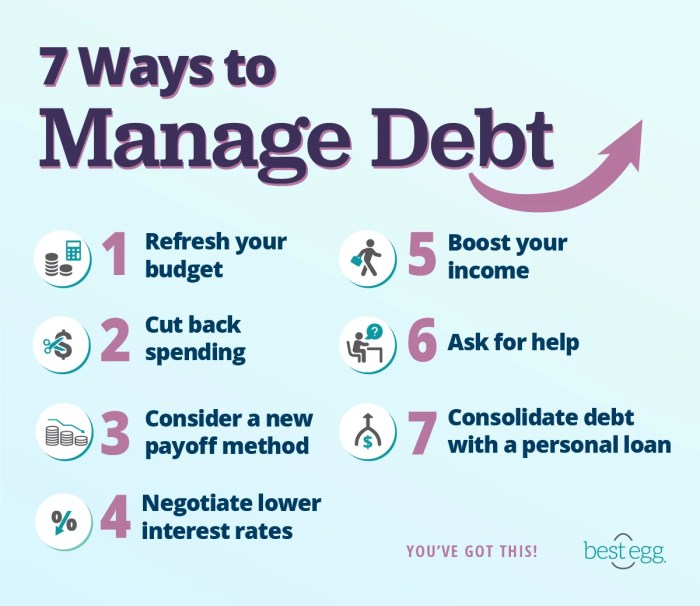
Fast Debt Reduction Tips sets the stage for this engaging narrative, providing insights into effective strategies for reducing debt quickly and achieving financial goals. As we delve into the world of debt reduction, readers will discover practical tips and expert advice to help them take control of their finances with confidence.
Fast Debt Reduction Tips
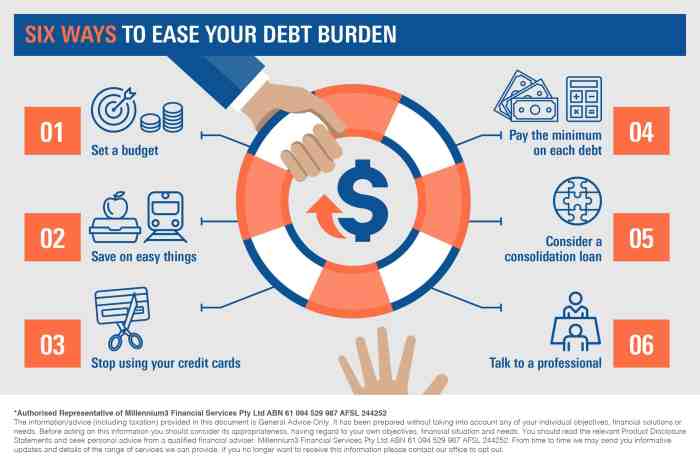
When it comes to fast debt reduction, the goal is to pay off debts quickly and efficiently to save money on interest and improve financial well-being. By implementing specific strategies and setting clear goals, individuals can prioritize their debts for faster repayment.
Common Strategies for Fast Debt Reduction
- Utilize the debt snowball method by paying off the smallest debt first and then rolling the payments into larger debts.
- Consider debt consolidation to combine multiple debts into one lower-interest loan.
- Cut down on expenses and redirect the saved money towards debt payments.
- Negotiate with creditors for lower interest rates or more favorable repayment terms.
Setting Specific Goals for Debt Reduction
It is essential to establish clear and achievable goals when aiming to reduce debt quickly. By setting specific targets, individuals can stay motivated and track their progress effectively.
Prioritizing Debts for Faster Repayment
- Identify high-interest debts and focus on paying them off first to save money on interest charges.
- Consider the impact of each debt on credit score and prioritize those with the most significant effect.
- Automate minimum payments for all debts to avoid late fees and penalties.
Debt Reduction
Debt reduction refers to the process of actively decreasing the amount of debt that an individual or organization owes. This can be achieved through various strategies such as budgeting, increasing income, negotiating with creditors, or utilizing debt repayment plans.
Difference between Debt Reduction and Debt Consolidation
Debt reduction focuses on lowering the total amount of debt owed by making consistent payments and implementing financial strategies. On the other hand, debt consolidation involves combining multiple debts into a single loan with a lower interest rate, making it easier to manage payments.
Benefits of Actively Reducing Debt
- Reduced financial stress and anxiety
- Improved credit score and creditworthiness
- Increased financial stability and freedom
- Opportunity to save more and invest for the future
Psychological Impact of Reducing Debt
Reducing debt can have a positive psychological impact on individuals by providing a sense of accomplishment, control over finances, and overall peace of mind. It can also boost confidence and motivation to continue making progress towards financial goals.
In conclusion, Fast Debt Reduction Tips offers a comprehensive guide to managing and reducing debt efficiently. By implementing the strategies discussed, individuals can work towards financial stability and a debt-free future. Take charge of your finances today and start your journey towards a brighter financial future.
FAQ Summary
What are some common strategies for fast debt reduction?
Common strategies include snowball method, avalanche method, and negotiating lower interest rates with creditors.
How important is setting specific goals for debt reduction?
Setting specific goals helps individuals stay focused and motivated on their journey to reduce debt effectively.