Best Debt Reduction Apps Top 5 Apps to Help Manage Debt Efficiently

Starting off with Best Debt Reduction Apps, this paragraph aims to draw in the readers with a brief and engaging overview of the topic, setting the stage for what’s to come.

Following up with detailed information in the subsequent paragraph

Best Debt Reduction Apps

Debt apps reduction top trendingtop5 ios android

Managing and reducing debt can be a challenging task, but with the help of debt reduction apps, users can track their progress and make informed financial decisions. Here are the top 5 debt reduction apps available in the market:

1. Debt Payoff Planner

  • Key Features:
    • Customized debt payoff plan
    • Payment reminders
    • Progress tracking
  • Pricing Structure: Free with in-app purchases
  • User Reviews: 4.5/5 stars

2. Debt Free

  • Key Features:
    • Snowball method support
    • Debt tracking
    • Financial calculators
  • Pricing Structure: Free with in-app purchases
  • User Reviews: 4.3/5 stars

3. You Need A Budget (YNAB)

  • Key Features:
    • Budgeting tools
    • Debt management features
    • Real-time syncing
  • Pricing Structure: $84/year
  • User Reviews: 4.7/5 stars

4. Mint

  • Key Features:
    • Expense tracking
    • Bill payment reminders
    • Credit score monitoring
  • Pricing Structure: Free
  • User Reviews: 4.6/5 stars

5. Tally

  • Key Features:
    • Automatic debt payment
    • Interest rate optimization
    • Late fee protection
  • Pricing Structure: $300/year
  • User Reviews: 4.8/5 stars

Importance of Debt Reduction

Reducing debt is crucial for achieving financial stability and security. By lowering debt levels, individuals can improve their overall financial health and work towards long-term financial goals.

Negative Impacts of High Debt Levels

  • High debt levels can lead to financial stress and anxiety, affecting mental health.
  • Carrying a significant amount of debt can limit opportunities for savings and investments.
  • High debt levels may result in missed payments, leading to a negative impact on credit scores.

Benefits of Using Debt Reduction Strategies

  • Studies have shown that individuals who actively reduce their debt are more likely to achieve financial freedom.
  • By reducing debt, individuals can save money on interest payments, allowing them to use those funds towards other financial goals.
  • Debt reduction strategies can help individuals build a positive credit history, improving their overall financial well-being.

Achieving Long-Term Financial Goals through Debt Reduction

Reducing debt is a key step towards achieving long-term financial goals such as buying a home, starting a business, or saving for retirement. By lowering debt levels, individuals can free up funds to invest in their future and secure their financial well-being.

Features to Look for in Debt Reduction Apps

When choosing a debt reduction app, it is essential to consider certain features that can greatly impact your effectiveness in managing and reducing debt.

Budget Tracking

  • Allows users to set and track their budget for expenses and debt repayments.
  • Enables users to visualize where their money is going and identify areas where they can cut back on spending.

Debt Snowball Method

  • Utilizes the debt snowball method, where users focus on paying off the smallest debt first and then moving on to larger debts.
  • Provides a structured approach to debt repayment that can help users stay motivated and see tangible progress.

Credit Score Monitoring

  • Allows users to monitor their credit score and track how their debt reduction efforts are impacting their creditworthiness.
  • Provides insights into how different financial actions, such as paying off debt or opening new accounts, affect credit scores.

Comparison Table

App Budget Tracking Debt Snowball Method Credit Score Monitoring
Debt Payoff Planner ✔️ ✔️
EveryDollar ✔️
Credit Karma ✔️

Tips for Using Debt Reduction Apps

Debt payoff moneybliss

When using debt reduction apps, it’s essential to follow some tips to maximize their benefits and achieve your financial goals effectively.

Set Realistic Financial Goals

Before using a debt reduction app, take the time to set realistic financial goals that are achievable within a specific timeframe. Make sure your goals are clear, measurable, and aligned with your overall financial objectives.

Track Your Progress Regularly

Stay motivated by tracking your progress regularly within the app. Monitor your debt reduction journey, celebrate small victories, and adjust your strategies as needed to stay on track towards your goals.

Utilize Budgeting Tools

Many debt reduction apps come with built-in budgeting tools that can help you manage your finances more effectively. Take advantage of these features to create a realistic budget, track your expenses, and identify areas where you can cut back to allocate more funds towards debt repayment.

Stay Consistent and Disciplined

Consistency is key when using debt reduction apps. Make it a habit to update your financial information regularly, make timely payments towards your debts, and resist the temptation to overspend. Stay disciplined and focused on your goals to see significant progress over time.

Celebrate Your Achievements

As you make progress in reducing your debt, remember to celebrate your achievements along the way. Whether it’s paying off a credit card or reaching a milestone in your repayment plan, acknowledging your success can help you stay motivated and committed to your financial goals.

Concluding with a captivating summary to wrap up the discussion on a high note, leaving readers with key takeaways.

FAQ Guide

What are the key features to look for in debt reduction apps?

Some key features to consider include budget tracking, debt snowball method, and credit score monitoring.

Are there any free debt reduction apps available?

Yes, some apps offer free options alongside paid versions with additional features.

How can debt reduction apps help in achieving long-term financial goals?

These apps provide tools and strategies to effectively manage and reduce debt, paving the way towards financial stability.

Debt Reduction for Individuals A Guide to Financial Freedom

Debt bankruptcy discharge student crossed wiped being money happens after settlement reduce financebuzz efficient plan most there recover preview

With Debt Reduction for Individuals at the forefront, this paragraph opens a window to an amazing start and intrigue, inviting readers to embark on a storytelling journey filled with unexpected twists and insights.

Understanding the ins and outs of debt reduction is crucial for anyone looking to improve their financial health and secure a stable future. From effective strategies to setting realistic goals, this guide covers it all.

DEBT REDUCTION

Debt reduction is the process of lowering the amount of debt owed by an individual. This can involve paying off debts in full or negotiating with creditors to lower the total amount owed.

Importance of Debt Reduction for Individuals

Reducing debt is crucial for individuals as it helps improve financial stability, reduces stress, and increases overall savings. By reducing debt, individuals can also improve their credit score and financial health.

Types of Debts Individuals Need to Reduce

  • Credit card debt: High-interest rates can quickly accumulate, making it essential to reduce credit card debt.
  • Student loans: Many individuals carry student loan debt, which can impact long-term financial goals.
  • Mortgage loans: Lowering mortgage debt can lead to significant savings in interest payments over time.

Strategies for Effective Debt Reduction

  • Create a budget: Track expenses and allocate funds towards debt repayment.
  • Snowball method: Pay off smaller debts first to gain momentum and motivation.
  • Debt consolidation: Combine multiple debts into one to simplify payments and potentially reduce interest rates.
  • Negotiate with creditors: Reach out to creditors to discuss payment plans or settlements.

UNDERSTANDING DEBT

Debt reduce solutions financial ways savvy aware experiencing banks australians hardship become while many there not

Debt is a financial obligation that an individual owes to another party, typically involving the borrowing of money or assets with the agreement to repay the principal amount along with interest over a specified period.

There are several common reasons why individuals accumulate debt:

Reasons for Accumulating Debt

  • Emergency Expenses: Unexpected medical bills, car repairs, or home maintenance can force individuals to take on debt to cover these expenses.
  • Lifestyle Choices: Overspending on non-essential items such as luxury goods, vacations, or dining out can lead to credit card debt.
  • Unemployment or Income Reduction: Loss of a job or a decrease in income can make it challenging to meet financial obligations, leading to borrowing to make ends meet.
  • Lack of Financial Literacy: Without a solid understanding of budgeting, saving, and managing money, individuals may easily fall into debt traps.

Debt can have a significant impact on personal finances and well-being:

Impact of Debt

  • Financial Stress: Constant worry about making payments on time and the burden of high-interest rates can lead to anxiety and stress.
  • Limitations on Future Opportunities: High levels of debt can hinder the ability to save for retirement, purchase a home, or pursue further education.
  • Credit Score Damage: Late payments or defaulting on debt can negatively impact one’s credit score, making it harder to access credit in the future.

It is essential to differentiate between good debt and bad debt:

Good Debt vs. Bad Debt

  • Good Debt: This type of debt is used to finance assets that are likely to increase in value over time, such as a mortgage for a home or a student loan for education.
  • Bad Debt: Bad debt typically involves borrowing to finance depreciating assets or non-essential items, such as credit card debt for luxury purchases or high-interest payday loans.

SETTING FINANCIAL GOALS

Setting financial goals plays a crucial role in debt reduction as it provides individuals with a clear roadmap to follow, helping them stay focused and motivated throughout the process. By setting specific goals, individuals can track their progress, make informed financial decisions, and ultimately work towards becoming debt-free.

Prioritizing Debts Based on Interest Rates

When prioritizing debts based on interest rates, individuals should focus on paying off high-interest debts first to minimize the amount of interest paid over time. By tackling debts with higher interest rates, such as credit card balances, individuals can save money in the long run and accelerate their debt repayment journey.

  • Start by listing all debts and their corresponding interest rates.
  • Allocate extra funds towards paying off high-interest debts while making minimum payments on other debts.
  • Consider balance transfer options or debt consolidation to lower interest rates and simplify repayment.

Creating a Realistic Debt Reduction Plan

To create a realistic debt reduction plan, individuals should assess their current financial situation, set achievable goals, and establish a budget that aligns with their repayment strategy. It’s essential to be honest about income, expenses, and debt obligations to develop a plan that is sustainable and effective.

Tip: Utilize debt repayment strategies such as the snowball or avalanche method to systematically pay off debts and stay motivated.

  • Set specific and measurable goals, such as paying off a certain amount of debt within a timeframe.
  • Track expenses, cut unnecessary spending, and allocate any extra income towards debt repayment.
  • Regularly review and adjust the debt reduction plan as financial circumstances change.

Examples of Short-term and Long-term Financial Goals

Short-term financial goals related to debt reduction may include paying off a credit card balance within six months or reducing overall debt by a specific percentage by the end of the year. On the other hand, long-term financial goals could involve becoming debt-free within five years or saving for a major purchase without accumulating additional debt.

  • Short-term goal example: Pay off $2,000 in credit card debt within the next three months.
  • Long-term goal example: Eliminate all student loans and car loans within the next seven years.
  • Consistently monitor progress towards financial goals and celebrate milestones achieved along the way.

BUDGETING AND EXPENSE TRACKING

Debt bankruptcy discharge student crossed wiped being money happens after settlement reduce financebuzz efficient plan most there recover preview

Budgeting is a crucial aspect of debt reduction as it helps individuals gain control over their finances, prioritize debt payments, and track progress towards financial goals. By creating a budget, individuals can allocate their income effectively, identify unnecessary expenses, and ensure that they have enough funds to pay off debts.

Strategies for Creating a Budget

  • Calculate total monthly income: Start by calculating the total amount of money you earn each month from all sources.
  • List all expenses: Make a comprehensive list of all your monthly expenses, including bills, groceries, transportation, and entertainment.
  • Differentiate between needs and wants: Distinguish between essential expenses (needs) and non-essential expenses (wants) to prioritize spending.
  • Set debt repayment goals: Allocate a specific amount towards debt repayment each month to accelerate the payoff process.
  • Track your budget regularly: Monitor your budget regularly to ensure that you are staying within your set limits and adjust as needed.

Importance of Expense Tracking

Tracking expenses is essential for identifying areas where individuals can cut costs and save money to put towards debt repayment. By monitoring spending habits, individuals can pinpoint unnecessary expenses, avoid impulse purchases, and make informed decisions about where to allocate their funds effectively.

Tools and Apps for Budgeting and Expense Tracking

  • Mint: A popular budgeting app that helps track spending, set financial goals, and create personalized budgets.
  • You Need a Budget (YNAB): Focuses on giving every dollar a job, providing a proactive approach to budgeting and expense tracking.
  • PocketGuard: Automatically categorizes expenses, tracks bills, and helps optimize spending to reach financial goals.
  • Personal Capital: Offers tools for budgeting, investment tracking, and retirement planning, providing a comprehensive view of financial health.

In conclusion, mastering debt reduction not only alleviates financial burdens but also paves the way for a brighter financial future. By implementing the right strategies and staying committed to your goals, you can achieve true financial freedom and peace of mind.

Key Questions Answered

What are some common types of debts individuals need to reduce?

Common types of debts include credit card debt, student loans, mortgages, and personal loans.

How can setting financial goals help with debt reduction?

Setting financial goals provides a roadmap for prioritizing debts, creating a plan, and staying motivated to reduce debt effectively.

What is the difference between good debt and bad debt?

Good debt is used to finance assets that increase in value over time, like a home mortgage. Bad debt, on the other hand, is used for non-appreciating assets or consumables, like credit card debt for unnecessary purchases.

Consolidating Debt for Better Rates Your Path to Financial Freedom

Consolidation debt benefits loans credit

Consolidating Debt for Better Rates sets the stage for this enthralling narrative, offering readers a glimpse into a story that is rich in detail with casual formal language style and brimming with originality from the outset.

Debt consolidation is a powerful financial tool that can help individuals manage their debts more effectively, ultimately leading to better rates and improved financial stability. This guide will delve into the various aspects of consolidating debt, exploring different methods, factors to consider, and debt reduction strategies.

Understanding Debt Consolidation

Debt consolidation loan business use debts payment

Debt consolidation is a financial strategy where multiple debts are combined into a single loan with a lower interest rate. This allows individuals to manage their debt more effectively and potentially save money on interest payments.

Benefits of Debt Consolidation

  • Lower Interest Rates: By consolidating high-interest debts into one loan with a lower interest rate, individuals can save money over time.
  • Simplified Repayment: Managing one monthly payment instead of multiple payments can make repayment more manageable and less stressful.
  • Improved Credit Score: Making timely payments on a consolidated loan can positively impact an individual’s credit score over time.

Types of Debt Consolidation

  • Debt Consolidation Loans: This involves taking out a new loan to pay off existing debts, consolidating them into one monthly payment.
  • Balance Transfer Credit Cards: Individuals can transfer high-interest credit card balances to a card with a lower interest rate, often with an introductory period of 0% APR.
  • Home Equity Loans: Homeowners can use the equity in their homes to consolidate debt, often with lower interest rates than other options.

Methods of Consolidating Debt

Consolidating debt can be a smart move to manage multiple debts more effectively. There are several methods available to consolidate debt, each with its own set of pros and cons. It’s important to understand these options and choose the most suitable one based on your individual financial situation.

Balance Transfer

  • Pros:
    • Allows you to transfer high-interest credit card debt to a new card with a lower interest rate
    • May offer an introductory 0% APR period for a certain period
  • Cons:
    • Balance transfer fees may apply
    • Introductory rates may increase after the promotional period

Debt Consolidation Loans

  • Pros:
    • Combines multiple debts into one monthly payment
    • May offer lower interest rates compared to credit cards
  • Cons:
    • Requires a good credit score to qualify for a favorable loan
    • Longer repayment terms may result in paying more interest over time

Debt Management Plans

  • Pros:
    • Work with a credit counseling agency to create a repayment plan
    • Consolidate debts without taking out a new loan
  • Cons:
    • May involve paying fees to the credit counseling agency
    • Could potentially impact your credit score

Factors to Consider Before Consolidating Debt

Consolidation debt benefits loans credit

Before opting for debt consolidation, individuals should carefully consider a few key factors to ensure it is the right financial decision for their specific situation.

Impact of Credit Score on Consolidating Debt for Better Rates

When consolidating debt, your credit score plays a crucial role in determining the interest rates you may qualify for. A higher credit score typically results in better rates, as lenders see you as a lower risk borrower. On the other hand, if your credit score is low, you may end up with higher interest rates, which could potentially outweigh the benefits of consolidating your debt.

It’s important to assess your credit score and understand how it will impact the overall cost of consolidating your debt.

Assessing if Debt Consolidation is the Right Choice

Debt consolidation can be a helpful tool for managing multiple debts, but it’s not always the best solution for everyone. Before proceeding, take a close look at your financial situation. Consider factors such as the total amount of debt, interest rates, repayment terms, and any fees associated with the consolidation process. Compare these aspects with your current monthly payments and evaluate if consolidating your debt will actually save you money in the long run.

It’s essential to have a clear understanding of your financial goals and whether debt consolidation aligns with them before making a decision.

Debt Reduction Strategies

When consolidating debt, it is crucial to have a debt reduction plan in place to ensure long-term financial stability. While debt consolidation can help simplify payments and lower interest rates, having a strategy to actively reduce debt is essential to achieve financial freedom.

Effective Strategies for Reducing Debt

Implementing effective debt reduction strategies can help individuals pay off their debts efficiently and regain control of their finances. Some key strategies include:

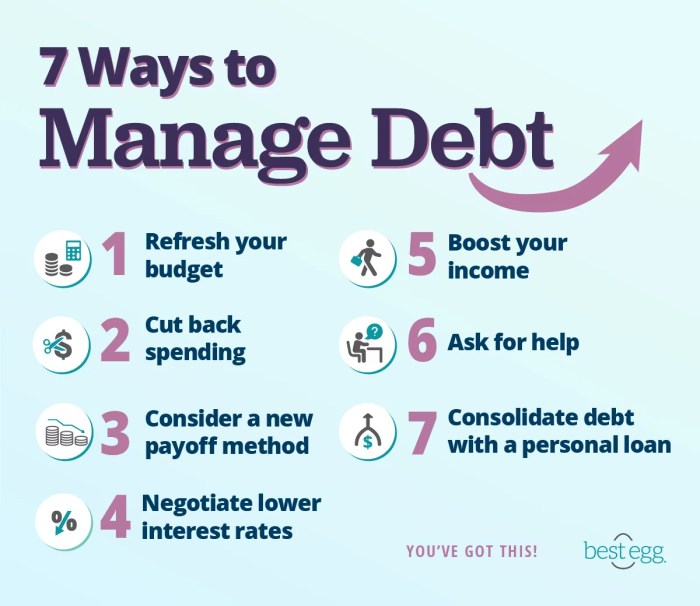
  • Creating a budget: Establishing a budget can help track expenses and identify areas where spending can be reduced to allocate more funds towards debt repayment.
  • Increasing payments: Making higher monthly payments or additional payments whenever possible can accelerate the debt repayment process and save on interest costs.
  • Debt snowball method: This strategy involves paying off the smallest debt first while making minimum payments on larger debts, then moving on to the next smallest debt once the first one is paid off.
  • Debt avalanche method: With this approach, debts are prioritized based on interest rates, with the highest interest debt being targeted first while making minimum payments on other debts.

Successful Debt Reduction Stories and Key Takeaways

Many individuals have successfully reduced and eliminated their debts by following structured debt reduction plans. One such example is Sarah, who managed to pay off $20,000 in credit card debt within two years by following a strict budget and increasing her monthly payments. The key takeaways from Sarah’s story include the importance of discipline, consistency, and determination in sticking to a debt reduction plan.

In conclusion, consolidating debt for better rates is not just about managing debts; it’s about taking control of your financial future. By understanding the intricacies of debt consolidation and implementing effective strategies, individuals can pave the way towards a debt-free life with improved financial well-being.

FAQ Overview

What is the best method for consolidating debt?

The best method for consolidating debt depends on individual financial situations. Some may benefit more from balance transfers, while others may find debt consolidation loans more suitable.

Will consolidating debt affect my credit score?

Consolidating debt can have a temporary impact on your credit score, but in the long run, it can actually improve your score by helping you manage your debts more effectively.

How long does it take to see results from debt consolidation?

The time it takes to see results from debt consolidation varies for each individual. Some may experience immediate relief, while others may take longer to see significant progress depending on their debt amount and repayment habits.

Best Debt Reduction Plans Strategies to Conquer Debt

Debt reduction relief plan creating savingadvice consumers options guide fatigue

Embark on a journey towards financial freedom with the Best Debt Reduction Plans at your disposal. Explore the different strategies and methods to effectively reduce your debt and take control of your financial future.

Discover how setting financial goals and prioritizing debts based on interest rates can lead you to a debt-free life. Learn from real success stories and practical examples to kickstart your debt reduction journey.

Best Debt Reduction Plans

Debt reduction plans are strategies designed to help individuals pay off their debts in a structured and efficient way. These plans often involve prioritizing debts, setting financial goals, and implementing specific methods to reduce debt effectively.

Comparison of Different Debt Reduction Strategies

There are several common debt reduction strategies, each with its own approach:

  • Snowball Method: This strategy involves paying off the smallest debts first, regardless of interest rates, to build momentum and motivation.
  • Avalanche Method: With this approach, debts are prioritized based on interest rates, with the highest interest debts paid off first to minimize overall interest payments.
  • Debt Consolidation: Debt consolidation involves combining multiple debts into a single payment, often with a lower interest rate, to simplify repayment and potentially reduce overall interest costs.

Importance of Setting Financial Goals

Setting financial goals is crucial when choosing a debt reduction plan. Clear goals can help individuals stay motivated, track progress, and make informed decisions about their finances. Whether the goal is to pay off a specific debt by a certain date or reduce overall debt by a certain amount, having clear objectives can make the debt reduction process more manageable and effective.

Prioritizing Debts Based on Interest Rates

When prioritizing debts, it is important to consider the interest rates associated with each debt. By focusing on high-interest debts first, individuals can reduce the amount of interest paid over time and potentially save money in the long run. This approach, often used in the avalanche method, can help individuals pay off their debts more efficiently and cost-effectively.

Snowball Method

Debt snowball avalanche explained ramsey payoff paying debts smallest worksheet

The snowball method is a debt reduction strategy where you focus on paying off your smallest debts first, while making minimum payments on larger debts. Once the smallest debt is paid off, you take the amount you were paying on that debt and apply it to the next smallest debt. This process continues until all debts are paid off.

How to Implement the Snowball Method Effectively

  • List all your debts from smallest to largest.
  • Make minimum payments on all debts except the smallest one.
  • Allocate any extra funds towards paying off the smallest debt.
  • Once the smallest debt is paid off, roll that payment amount into the next smallest debt.
  • Continue this process until all debts are paid off.

Psychological Benefits of the Snowball Method

  • Quick wins by paying off smaller debts first can provide motivation to keep going.
  • Seeing progress as debts are paid off can boost confidence and reduce stress.
  • Focus on one debt at a time can simplify the repayment process and make it more manageable.

Success Stories of Individuals Using the Snowball Method

  • John, a single father, used the snowball method to pay off $20,000 in credit card debt in two years.
  • Sarah and David, a couple with student loan debt, paid off $50,000 by following the snowball method and are now debt-free.
  • Mary, a recent graduate with multiple small debts, successfully tackled her loans using the snowball method and is now saving for a house.

Avalanche Method

The avalanche method is a debt reduction strategy where you focus on paying off your debts with the highest interest rates first, while making minimum payments on the rest of your debts. This approach aims to save you money on interest payments in the long run.

Comparison with Snowball Method

  • The avalanche method prioritizes debts based on interest rates, while the snowball method focuses on paying off the smallest debts first regardless of interest rates.
  • While the snowball method can provide quick wins by eliminating smaller debts faster, the avalanche method may save you more money in the long term by reducing high-interest debt sooner.

Benefits of Avalanche Method

  • By tackling high-interest debts first, you can save money on interest payments over time.
  • It helps you eliminate costly debt efficiently, allowing you to become debt-free faster.
  • You can improve your credit score by reducing high-interest debt and demonstrating responsible financial behavior.

Tips to Start Using Avalanche Method

  • List all your debts from highest to lowest interest rates.
  • Make minimum payments on all debts except the one with the highest interest rate.
  • Allocate extra funds towards the high-interest debt while maintaining minimum payments on others.
  • Continue this process until each debt is paid off, starting with the highest interest rate.

Debt Consolidation

Debt reduction relief plan creating savingadvice consumers options guide fatigue

Debt consolidation is a financial strategy that involves combining multiple debts into a single loan or payment plan. This can help simplify the repayment process and potentially lower the overall interest rates, making it easier for individuals to manage their debt and pay it off more efficiently.

Ways to Consolidate Debt

  • Balance Transfer Cards: This involves transferring high-interest credit card balances to a new card with a lower interest rate, often with an introductory 0% APR period.
  • Personal Loans: Borrowing a fixed amount from a financial institution to pay off multiple debts, resulting in a single monthly payment with a potentially lower interest rate.
  • Home Equity Loans: Using the equity in your home to secure a loan to pay off debts, which can offer lower interest rates but puts your home at risk if you default on payments.

Pros and Cons of Debt Consolidation

  • Pros:
    • Streamlined Payments: Simplifies the repayment process by consolidating multiple debts into one.
    • Potential Lower Interest Rates: May help reduce the overall interest paid on debt, especially with balance transfer cards or personal loans.
  • Cons:
    • Requires Good Credit: To qualify for lower interest rates, a good credit score is usually necessary.
    • Costs and Fees: Some consolidation methods may come with fees or costs that could offset the potential savings.
    • Risk of Losing Assets: Using home equity loans puts your home at risk if you are unable to make payments.

Considerations for Debt Consolidation

  • Evaluate Total Costs: Compare the total costs of your current debts versus the proposed consolidation option to ensure it will save you money in the long run.
  • Understand Terms and Conditions: Read and understand the terms of the consolidation loan, including interest rates, fees, and repayment terms.
  • Avoid Acquiring New Debt: Resist the temptation to accumulate new debt after consolidating, as it may undo the progress made in reducing your existing debt.

In conclusion, by implementing the Best Debt Reduction Plans discussed, you can pave the way towards a more secure financial future. Take charge of your debts, set achievable goals, and start your journey towards financial stability today.

Top FAQs

How do debt reduction plans work?

Debt reduction plans help individuals tackle and pay off their debts systematically by providing strategies like the snowball and avalanche methods.

What is the snowball method?

The snowball method involves paying off the smallest debt first and then using that momentum to pay off larger debts.

How does debt consolidation help in reducing debt?

Debt consolidation combines multiple debts into a single payment with potentially lower interest rates, making it easier to manage and pay off debt.

Is it important to set financial goals when choosing a debt reduction plan?

Setting financial goals is crucial as it provides a roadmap for your debt reduction journey and helps you stay focused and motivated.

What are the benefits of the avalanche method for saving on interest payments?

The avalanche method prioritizes debts with the highest interest rates, helping you save money on interest payments in the long run.

Debt Reduction Programs for Families A Comprehensive Guide

Debt programs

Embark on a journey through the world of debt reduction programs tailored for families, exploring the ins and outs of financial management and stability.

From understanding the essence of debt reduction to practical steps in enrolling, this guide covers it all to empower families towards a debt-free future.

Introduction to Debt Reduction Programs for Families

Debt reduction programs are structured plans designed to help families manage and decrease their debt effectively. These programs typically involve financial experts who work with families to create a personalized strategy for paying off debt.

Families may find themselves in need of debt reduction programs due to various reasons such as overwhelming credit card debt, medical bills, student loans, or unexpected financial emergencies. These programs offer a systematic approach to tackling debt and regaining financial stability.

Benefits of Participating in Debt Reduction Programs

  • Consolidation of Debt: Debt reduction programs often involve consolidating multiple debts into one manageable payment, making it easier for families to keep track of their finances.
  • Lower Interest Rates: By negotiating with creditors, these programs can help lower interest rates on existing debts, reducing the overall amount owed.
  • Financial Education: Families participating in debt reduction programs often receive valuable financial education and guidance, helping them develop better money management skills for the future.
  • Stress Reduction: Dealing with debt can be incredibly stressful, and these programs provide families with a structured plan to alleviate financial pressure and anxiety.

Types of Debt Reduction Programs

Debt reduction programs offer families a way to manage and eliminate their debt burden effectively. There are several types of debt reduction programs available, each catering to different financial situations and needs.

Debt Consolidation

Debt consolidation programs combine multiple debts into a single loan or payment, usually with a lower interest rate. This simplifies monthly payments and makes it easier to track progress towards debt repayment.

Debt Management

Debt management programs involve working with a credit counseling agency to negotiate lower interest rates or payment plans with creditors. These programs help families create a structured repayment plan to gradually pay off their debts.

Debt Settlement

Debt settlement programs involve negotiating with creditors to settle debts for a lower amount than what is owed. While this option can reduce the total debt amount, it may negatively impact credit scores and require a lump sum payment.

Examples of Reputable Debt Reduction Programs

National Foundation for Credit Counseling (NFCC)

Offers credit counseling and debt management programs to help families get out of debt.

DebtWave Credit Counseling

Provides debt management programs tailored to individual financial situations.

Freedom Debt Relief

Specializes in debt settlement programs to help families negotiate and settle their debts.

Steps to Enroll in a Debt Reduction Program

Debt manage goals involve positive

To enroll in a debt reduction program, families typically follow a structured process that involves several steps to ensure eligibility and successful participation.

Eligibility Criteria for Families

  • Evidence of financial hardship or inability to meet current debt obligations.
  • A minimum amount of unsecured debt, usually around $5,000.
  • A steady income to make monthly payments towards the program.
  • Proof of residency and identification.

Documents Required for Enrollment

  • Copies of recent bank statements and pay stubs to verify income.
  • A list of all outstanding debts, including creditor names and amounts owed.
  • Personal identification documents, such as a driver’s license or passport.
  • Any legal documents related to outstanding debts, like collection letters or court orders.

Financial Education and Budgeting Tips for Families

Debt programs

Managing finances effectively is crucial for families to secure their financial future and avoid falling into debt. By incorporating smart budgeting strategies and enhancing financial literacy, families can achieve stability and long-term financial success.

Creating a Family Budget

Creating a family budget is the foundation of financial stability. Here are some tips to help families set up and stick to a budget:

  • Calculate total monthly income: Start by determining all sources of income for the family.
  • List all expenses: Make a comprehensive list of all expenses, including bills, groceries, and other necessities.
  • Set financial goals: Establish short-term and long-term financial goals to guide budget planning.
  • Track spending: Monitor expenses regularly to ensure they align with the budget.
  • Adjust as needed: Be flexible and adjust the budget as circumstances change.

Importance of Financial Literacy

Financial literacy plays a significant role in preventing future debt and ensuring financial well-being. Here are some reasons why financial literacy is crucial for families:

  • Empowerment: Understanding financial concepts empowers families to make informed decisions about their money.
  • Debt avoidance: Financially literate families are better equipped to avoid debt traps and manage their finances responsibly.
  • Planning for the future: With financial knowledge, families can plan for future expenses, emergencies, and retirement.

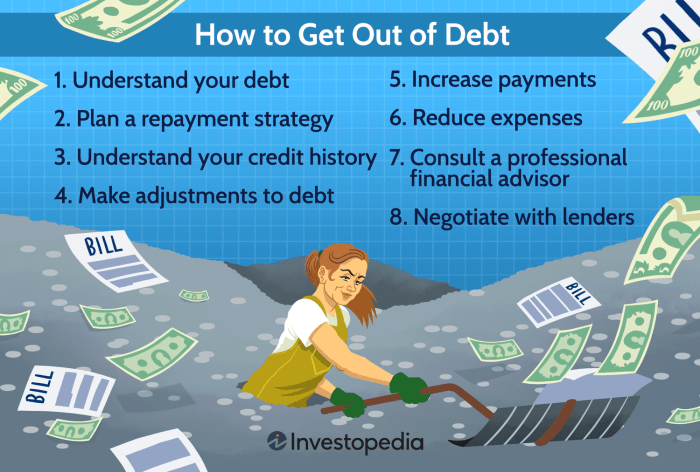
Working with Creditors and Negotiating Debt

When facing overwhelming debt, families can negotiate with creditors to reduce their financial burden. By effectively communicating with creditors and reaching agreements, families can take steps towards financial stability.
Negotiating Debt with Creditors

  • Initiate contact with creditors by explaining the financial difficulties faced by the family.
  • Propose a realistic repayment plan that fits within the family’s budget constraints.
  • Consider options such as debt settlement or debt consolidation to reduce the overall debt amount.
  • Request for lower interest rates or waived fees to make repayment more manageable.
  • Document all communication and agreements made with creditors for future reference.

Effective Communication with Creditors

  • Stay calm and respectful during conversations with creditors to maintain a positive relationship.
  • Clearly articulate the reasons for the financial hardship and the proposed solutions.
  • Be honest about the family’s financial situation and provide relevant documentation if necessary.
  • Ask questions to clarify any terms or conditions proposed by the creditors.
  • Follow up on agreed-upon arrangements and update creditors on any changes in the family’s financial status.

Impact on Credit Scores and Financial Stability

  • Debt negotiation may initially have a negative impact on credit scores as it involves restructuring or settling debts.
  • However, successfully negotiating and repaying debts can ultimately improve credit scores over time.
  • By reducing debt through negotiations, families can work towards achieving long-term financial stability and rebuilding their creditworthiness.

In conclusion, by embracing the strategies Artikeld in this guide, families can take charge of their finances, alleviate debt burdens, and pave the way for a more secure financial future.

FAQ Section

How long does it usually take to complete a debt reduction program?

It varies depending on the individual’s financial situation, but it typically ranges from 2 to 5 years.

Can participating in a debt reduction program negatively impact my credit score?

Initially, it may have a slight negative impact, but in the long run, successfully completing a program can improve your credit score.

Are debt reduction programs only for families with high levels of debt?

No, these programs are designed to assist families with any amount of debt seeking financial relief and stability.

Debt Settlement vs Debt Reduction Understanding the Key Differences

Debt settlement

Exploring the realm of Debt Settlement vs Debt Reduction, this article delves into the nuances of each method, shedding light on their advantages and disadvantages. With a focus on clarity and conciseness, readers are invited to uncover the intricacies of managing debt effectively.

As we navigate through the intricacies of debt management, it’s essential to grasp the fundamental disparities between debt settlement and debt reduction to make informed financial decisions.

Debt Settlement vs Debt Reduction

Debt settlement management vs alleviate financial solutions

When it comes to managing debt, two common strategies are debt settlement and debt reduction. While both aim to help individuals get out of debt, they differ in their approaches and outcomes.

Key Differences

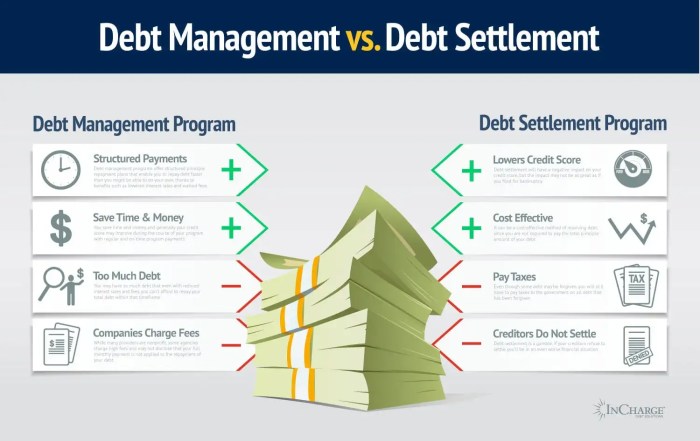
  • Debt Settlement involves negotiating with creditors to pay off a portion of the total debt amount, usually in a lump sum. This can result in a lower overall payment but may negatively impact credit scores.
  • Debt Reduction focuses on creating a structured plan to pay off the full amount owed over time, often with reduced interest rates or fees. This method can help maintain credit scores and financial stability.

Pros and Cons

Debt Settlement:

  • Pros:
    • May result in a significantly lower payment amount.
    • Can provide a faster resolution to debt issues.
  • Cons:
    • Could negatively impact credit scores.
    • May involve high upfront fees or taxes on forgiven debt.

Debt Reduction:

  • Pros:
    • Allows for a structured repayment plan.
    • Helps maintain credit scores and financial stability.
  • Cons:
    • May not result in as significant of a reduction in total debt.
    • Could take longer to pay off debt in full.

When to Use Each Method

Debt Settlement is most beneficial when:

  • Individuals are unable to pay off the full amount owed.
  • They are facing financial hardship and need a quicker resolution.

Debt Reduction is most beneficial when:

  • Individuals have the ability to make regular payments over time.
  • They want to maintain or improve their credit scores.

Debt Reduction

Debt settlement

Reducing debt is a crucial step towards achieving financial stability and peace of mind. There are various strategies that individuals can use to effectively reduce their debt burden and work towards a debt-free future.

Debt Snowball vs Debt Avalanche

Two popular methods for debt reduction are the debt snowball and debt avalanche approaches. While both strategies aim to help individuals pay off their debts, they differ in their approach and prioritization.

  • The debt snowball method involves paying off debts from smallest to largest, regardless of interest rates. This approach focuses on building momentum by clearing smaller debts first, which can provide a sense of accomplishment and motivation to tackle larger debts.
  • The debt avalanche method, on the other hand, prioritizes debts with the highest interest rates. By tackling high-interest debts first, individuals can save money in the long run by minimizing the amount of interest paid over time.

Negotiating Lower Interest Rates

One effective way to reduce debt is by negotiating lower interest rates with creditors. This can help lower monthly payments and overall debt burden. Here are some tips on how to negotiate lower interest rates:

  1. Research and Compare: Before contacting creditors, research current interest rates and offers from other lenders to use as leverage during negotiations.
  2. Communicate Effectively: Clearly explain your financial situation and why a lower interest rate would benefit both you and the creditor.
  3. Be Persistent: Don’t be afraid to negotiate multiple times or escalate the conversation to a supervisor if needed.
  4. Consider Balance Transfer: Transferring high-interest balances to a lower interest rate credit card can also help reduce overall debt costs.

In conclusion, understanding the distinctions between debt settlement and debt reduction is crucial in devising a strategic plan to alleviate financial burdens. By weighing the pros and cons of each approach, individuals can empower themselves to take control of their financial well-being with confidence.

General Inquiries

What is the main difference between debt settlement and debt reduction?

Debt settlement involves negotiating with creditors to pay a lower amount than what is owed, while debt reduction focuses on creating a plan to systematically pay off debts in full.

Which method is more suitable for individuals with high levels of debt?

For individuals with substantial debt, debt settlement may offer a quicker resolution, but it can have a more significant impact on credit scores compared to debt reduction.

How can one determine the best approach between debt settlement and debt reduction?

It’s essential to assess individual financial circumstances, including the amount of debt, income levels, and credit score, to determine whether debt settlement or debt reduction is more appropriate.

How to Reduce Mortgage Debt A Comprehensive Guide to Financial Freedom

Debt reducing

How to Reduce Mortgage Debt sets the stage for this enthralling narrative, offering readers a glimpse into a story that is rich in detail with casual formal language style and brimming with originality from the outset.

Reducing mortgage debt is a crucial step towards achieving financial freedom. By exploring various strategies and refinancing options, individuals can effectively manage their debt and work towards a debt-free future.

Introduction to Mortgage Debt Reduction

When we talk about mortgage debt, we are referring to the amount of money borrowed from a financial institution to purchase a home. This debt is typically paid off over a long period of time, often spanning decades. While having a mortgage allows individuals to become homeowners, it also comes with financial implications that can impact long-term financial stability.

Reducing mortgage debt is crucial for several reasons. Firstly, it can help homeowners save money on interest payments over time. By paying off the debt sooner, they can reduce the total amount paid towards the mortgage. Additionally, reducing mortgage debt can lead to increased equity in the home, providing homeowners with a valuable asset that can be utilized for future financial needs.

Financial Freedom through Mortgage Debt Reduction

Reducing mortgage debt is a key step towards achieving financial freedom. When homeowners are no longer burdened by a large mortgage payment, they have more flexibility in their finances. This can lead to greater opportunities for savings, investments, and overall financial security. By eliminating mortgage debt, individuals can free up their cash flow and work towards building wealth and achieving their financial goals.

Strategies for Reducing Mortgage Debt

Manage debt ways tips financial

Reducing mortgage debt can be a daunting task, but with the right strategies, it can be more manageable and achievable. Two popular methods for paying off mortgage debt are the snowball method and the avalanche method. Additionally, making extra payments towards the principal can significantly reduce the overall debt and save money in the long run.

The Snowball Method for Paying Off Mortgage Debt

The snowball method involves paying off the smallest debt first while making minimum payments on all other debts. Once the smallest debt is paid off, the amount previously allocated to that debt is then added to the next smallest debt, creating a snowball effect. This method can provide a sense of accomplishment and motivation as debts are paid off one by one.

The Avalanche Method as an Alternative Strategy

The avalanche method focuses on paying off debts with the highest interest rates first, while continuing to make minimum payments on other debts. By tackling high-interest debts first, this method can save more money in interest payments over time compared to the snowball method. While it may take longer to see progress, the avalanche method can result in significant savings in the long term.

Benefits of Making Extra Payments Towards the Principal

Making extra payments towards the principal of your mortgage can help reduce the overall debt faster and save money on interest payments. By reducing the principal amount, you are effectively decreasing the total amount of interest that accrues over the life of the loan. Even small additional payments each month can have a big impact on reducing mortgage debt and shortening the loan term.

Refinancing Options for Mortgage Debt Reduction

When looking to reduce mortgage debt, exploring refinancing options can be a strategic move. Refinancing offers the opportunity to adjust your mortgage terms and potentially lower your overall debt burden.

Comparing Fixed-Rate and Adjustable-Rate Mortgages

Before deciding on a refinancing option, it’s important to understand the differences between fixed-rate and adjustable-rate mortgages. Fixed-rate mortgages offer stable interest rates throughout the loan term, providing predictability for budgeting. On the other hand, adjustable-rate mortgages start with a lower initial rate that can change over time based on market conditions.

Lowering Interest Rates through Refinancing

One of the primary goals of refinancing is to secure a lower interest rate compared to your current mortgage. By refinancing at a lower rate, you can potentially save money on interest payments over the life of the loan. This reduction in interest can contribute to overall debt reduction.

Shortening Loan Term and Reducing Debt

Refinancing also allows homeowners to shorten the loan term, which can lead to faster debt repayment. By refinancing to a shorter term, borrowers can potentially save on interest costs and build home equity at a quicker pace. This accelerated repayment schedule can help reduce mortgage debt more rapidly.

Budgeting Tips for Mortgage Debt Reduction

Creating a budget is crucial when aiming to reduce mortgage debt. By allocating more funds towards mortgage payments, you can accelerate the payoff process and save on interest in the long run.

Cutting Unnecessary Expenses

One of the most effective ways to free up funds for debt reduction is by cutting unnecessary expenses. This could include dining out less frequently, canceling unused subscriptions, or finding more cost-effective alternatives for everyday items.

Living Below Your Means

Living below your means is essential for accelerating mortgage debt payoff. By spending less than you earn, you can allocate the surplus towards your mortgage payments, reducing the principal amount owed and saving on interest over time.

Seeking Professional Help for Mortgage Debt Reduction

Debt reducing

Seeking professional help for mortgage debt reduction can be a smart move when you find yourself overwhelmed by the complexities of managing your mortgage. Financial advisors, credit counselors, and mortgage brokers can provide valuable assistance in navigating the process of reducing your mortgage debt.

When to Seek Advice from a Financial Advisor

Financial advisors can be particularly helpful when you’re facing challenges in managing your mortgage debt and need expert guidance on creating a strategic plan to reduce it. They can offer personalized advice based on your financial situation and long-term goals.

The Role of Credit Counselors in Managing Mortgage Debt

Credit counselors specialize in helping individuals manage their debt, including mortgage debt. They can assist you in developing a budget, negotiating with lenders, and exploring debt consolidation options. Working with a credit counselor can provide you with the necessary tools and strategies to effectively tackle your mortgage debt.

Benefits of Working with a Mortgage Broker for Refinancing Options

Mortgage brokers are well-versed in the refinancing process and can help you explore various options to reduce your mortgage debt. They have access to a wide range of lenders and can help you find the best refinancing solution tailored to your specific needs. By working with a mortgage broker, you can potentially secure a lower interest rate, reduce your monthly payments, and ultimately save money in the long run.

In conclusion, navigating the world of mortgage debt reduction requires careful planning and dedication. By following the tips and seeking professional help when needed, individuals can take control of their financial well-being and pave the way for a more secure future.

Expert Answers

When should I consider refinancing my mortgage?

Refinancing your mortgage can be beneficial when interest rates are lower than what you’re currently paying, or if you want to switch from an adjustable-rate to a fixed-rate mortgage.

Is it better to use the snowball or avalanche method for paying off mortgage debt?

The choice between the snowball and avalanche method depends on your financial goals. The snowball method focuses on paying off the smallest debts first, while the avalanche method prioritizes debts with the highest interest rates.

How can living below my means help in reducing mortgage debt?

Living below your means involves cutting unnecessary expenses and saving more money, which can then be allocated towards paying off your mortgage faster and reducing overall debt.