DIY Debt Reduction Plans Strategies for Independent Debt Management

Embark on a journey to financial freedom with DIY Debt Reduction Plans, exploring effective strategies and practical tips to manage debt independently.

Discover the key concepts and insights that will empower you to take control of your financial well-being.

DIY Debt Reduction Plans

Debt

DIY debt reduction plans involve individuals taking control of their finances and implementing strategies to reduce debt on their own, without the assistance of a financial advisor or debt management company.

Effective Strategies for Reducing Debt Independently

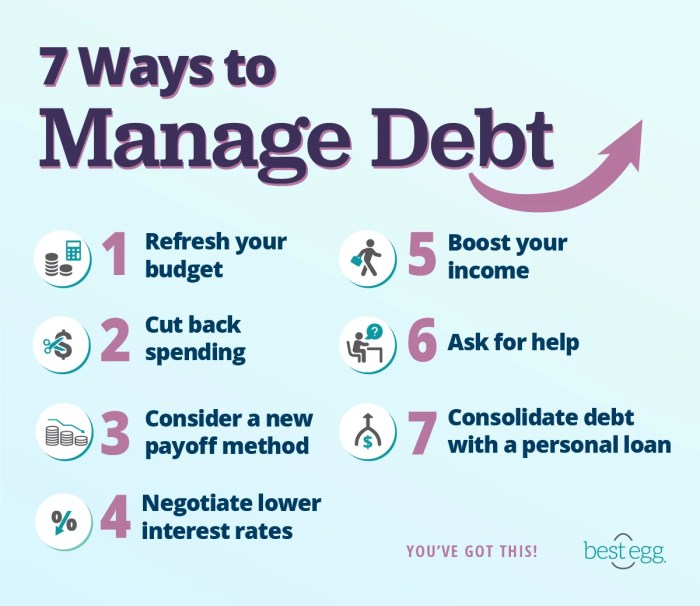
  • Creating a budget and tracking expenses to identify areas where spending can be reduced.
  • Consolidating high-interest debt into a lower-interest loan or balance transfer credit card.
  • Increasing income through side hustles or part-time work to allocate more towards debt payments.
  • Snowball method: Paying off the smallest debt first and then rolling the payments into larger debts.

Importance of Setting Realistic Goals

Setting realistic goals is crucial when creating a DIY debt reduction plan to ensure that the objectives are achievable and sustainable. Unrealistic goals can lead to frustration and derail the progress of the plan.

Tips on How to Stay Motivated

  • Tracking progress visually, such as creating a debt payoff chart or spreadsheet.
  • Rewarding yourself for reaching milestones along the way, like a small treat or a day off from intense budgeting.
  • Seeking support from friends or online communities for encouragement and accountability.

Debt Reduction

Manage debt ways tips financial

When it comes to reducing debt, individuals have the option to either implement a do-it-yourself (DIY) debt reduction plan or seek assistance from professional debt reduction services. Both approaches have their own set of advantages and considerations, but DIY debt reduction plans are particularly appealing for those who prefer a hands-on approach to managing their finances.

Differentiate between DIY Debt Reduction Plans and Professional Debt Reduction Services

DIY debt reduction plans involve individuals taking charge of their own financial situation by creating a personalized strategy to pay down debts. On the other hand, professional debt reduction services typically involve working with a third-party organization or financial expert who negotiates with creditors on behalf of the debtor to reduce overall debt amounts.

Elaborate on the Benefits of Taking a DIY Approach to Debt Reduction

  • Empowerment: By managing their debt reduction plan independently, individuals gain a sense of empowerment and control over their financial future.
  • Cost-effective: DIY debt reduction plans are generally more cost-effective than hiring professional services, as individuals can avoid additional fees.
  • Customization: DIY plans can be tailored to suit individual financial goals and circumstances, allowing for greater flexibility and personalization.

Discuss Common Mistakes People Make When Attempting to Reduce Debt on Their Own

  • Ignoring High-Interest Debts: Focusing on low-interest debts first may seem appealing, but it can result in accruing more interest on high-interest debts over time.
  • Not Creating a Realistic Budget: Without a clear budget in place, individuals may struggle to allocate funds effectively towards debt repayment.
  • Failure to Communicate with Creditors: Open communication with creditors is crucial in negotiating payment terms and potentially reducing debt amounts.

Provide Insights on How to Track Progress and Adjust DIY Debt Reduction Plans Accordingly

  • Utilize Debt Tracking Tools: Online tools and apps can help individuals monitor their debt repayment progress and stay organized.
  • Regularly Review and Adjust Budget: Periodically reviewing and adjusting budget allocations can ensure that debt repayment remains a priority.
  • Celebrate Milestones: Recognizing and celebrating small victories along the way can help individuals stay motivated and committed to their debt reduction goals.

Take charge of your financial future by implementing these DIY Debt Reduction Plans, paving the way towards a debt-free life filled with financial stability and peace of mind.

Clarifying Questions

How do DIY debt reduction plans differ from professional services?

DIY plans involve managing debt independently, while professional services typically offer assistance for a fee.

What are some common mistakes to avoid when creating a DIY debt reduction plan?

Avoid setting unrealistic goals, neglecting to track progress, and lacking motivation to stick to the plan.

How can one stay motivated while following a DIY debt reduction plan?

Stay motivated by visualizing your goals, celebrating small victories, and seeking support from friends or online communities.

Debt Management Solutions Effective Strategies for Financial Freedom

Debt management

Exploring the realm of Debt Management Solutions, this introduction draws readers in with a captivating narrative that sheds light on the significance of managing debt effectively. From defining debt management solutions to discussing various strategies for debt reduction, this overview sets the stage for a comprehensive exploration of this vital topic.

Introduction to Debt Management Solutions

Debt

Debt management solutions refer to strategies and tools designed to help individuals or businesses effectively manage and repay their debts. These solutions are crucial in maintaining financial stability and avoiding the negative consequences of overwhelming debt.

The Importance of Effective Debt Management

Effective debt management is essential for maintaining a healthy financial status and avoiding financial distress. By implementing the right debt management solutions, individuals and businesses can reduce their debt burden, improve their credit score, and regain control over their finances.

Common Types of Debt Management Solutions

  • Debt Consolidation: Combining multiple debts into a single loan with a lower interest rate, making it easier to manage and pay off.
  • Debt Settlement: Negotiating with creditors to settle debts for less than what is owed, providing a more affordable repayment option.
  • Credit Counseling: Working with a credit counselor to create a budget and repayment plan to manage debts effectively.
  • Bankruptcy: A legal process that can help individuals eliminate or restructure debts when other options are not feasible.

Examples of Situations Where Debt Management Solutions Can Be Beneficial

  • When facing high-interest rates on credit card debts, debt consolidation can help lower the overall interest paid.
  • For individuals struggling to make minimum payments on multiple debts, debt settlement can provide a more manageable repayment plan.
  • Businesses experiencing financial difficulties can benefit from credit counseling to restructure their debts and improve cash flow.

Debt Reduction Strategies

Debt management

Debt reduction is a crucial step towards achieving financial stability and freedom. By implementing effective strategies, individuals can gradually work towards paying off their debts and improving their overall financial health.

Debt Consolidation

Debt consolidation involves combining multiple debts into a single loan with a lower interest rate. This can simplify the repayment process and potentially reduce the overall amount of interest paid over time.

Debt Negotiation

Debt negotiation involves reaching out to creditors to discuss payment plans or settlements that are more manageable for the individual. This approach can help reduce the total amount owed and make it easier to repay the debt over time.

Snowball Method

The snowball method focuses on paying off the smallest debts first while making minimum payments on larger debts. Once the smallest debt is paid off, the individual can then apply the freed-up funds towards the next smallest debt, creating a snowball effect that accelerates debt repayment.

Tips for Implementing Debt Reduction Strategies

  • Assess your current financial situation and create a budget to track your income and expenses.
  • Identify high-interest debts and prioritize paying them off first to save on interest costs.
  • Consider seeking professional advice from credit counselors or financial planners to develop a customized debt repayment plan.
  • Avoid taking on new debts while working towards paying off existing ones to prevent further financial strain.

In conclusion, Debt Management Solutions offer a roadmap to financial stability and freedom by providing individuals with the tools and knowledge needed to tackle their debts head-on. By implementing effective strategies and making informed decisions, anyone can pave the way towards a debt-free future.

FAQ

What are Debt Management Solutions?

Debt Management Solutions encompass various strategies and tools designed to help individuals effectively manage and reduce their debts. These can include debt consolidation, negotiation with creditors, and implementing structured repayment plans.

Why is effective debt management important?

Effective debt management is crucial as it can help individuals avoid financial pitfalls, reduce stress, improve credit scores, and ultimately achieve financial freedom by paying off debts efficiently.

What are some common types of debt management solutions available?

Common types of debt management solutions include debt consolidation loans, debt management plans, debt settlement programs, and credit counseling services. Each option caters to different financial situations and goals.

How can individuals start implementing debt reduction strategies?

Individuals can begin implementing debt reduction strategies by creating a budget, prioritizing debts, exploring debt consolidation options, negotiating with creditors, and seeking professional guidance if needed. It’s essential to take proactive steps towards reducing debts for long-term financial well-being.

Affordable Debt Reduction Services Your Path to Financial Freedom

Debt reduction services

Affordable Debt Reduction Services sets the stage for this enthralling narrative, offering readers a glimpse into a story that is rich in detail and brimming with originality from the outset. This essential guide navigates through the world of debt reduction services, shedding light on the key aspects that can lead individuals towards a more secure financial future.

Introduction to Affordable Debt Reduction Services

Debt pay off reduction solution services good shares

Affordable debt reduction services are professional financial solutions aimed at helping individuals or businesses reduce their debt burden without breaking the bank. These services provide effective strategies and tools to manage and pay off debts in a cost-effective manner.

The Importance of Seeking Affordable Solutions for Reducing Debt

It is crucial to seek affordable solutions for reducing debt to avoid falling deeper into financial distress. High-interest rates and fees associated with debts can quickly accumulate, making it challenging to break free from the debt cycle. Affordable debt reduction services offer a way to address debts without causing further strain on finances.

The Benefits of Using Professional Services for Debt Reduction

  • Expertise: Professional debt reduction services have the knowledge and experience to create personalized debt repayment plans tailored to individual needs.
  • Negotiation Skills: These services can negotiate with creditors on behalf of their clients to lower interest rates, waive fees, or settle debts for less than the full amount owed.
  • Peace of Mind: By enlisting professional help, individuals can alleviate the stress and anxiety associated with managing overwhelming debt on their own.
  • Long-Term Financial Planning: Debt reduction services can also provide guidance on budgeting, saving, and improving financial habits to prevent future debt problems.

Types of Affordable Debt Reduction Services

There are various types of debt reduction services available to help individuals manage and reduce their debt effectively. These services include debt consolidation, debt settlement, and credit counseling.

Debt Consolidation

Debt consolidation involves combining multiple debts into a single loan with a lower interest rate. This can make it easier to manage debt by simplifying payments and potentially reducing overall interest costs. Borrowers can choose between secured (using collateral) or unsecured (without collateral) consolidation loans.

Debt Settlement

Debt settlement involves negotiating with creditors to settle debts for less than the total amount owed. This can result in significant savings for the borrower, but it may also have a negative impact on credit scores. Debt settlement companies typically charge fees based on the amount of debt settled.

Credit Counseling

Credit counseling services provide financial education and counseling to help individuals create a budget, manage debt, and improve their financial literacy. Credit counselors can negotiate with creditors to lower interest rates or waive fees, and they can also help clients develop a debt repayment plan.

Factors to Consider When Choosing a Debt Reduction Service

When selecting an affordable debt reduction service, there are several key factors to keep in mind to ensure you make the best decision for your financial situation.

Credibility and Reputation of the Service Provider

It is crucial to check the credibility and reputation of the debt reduction service provider before committing to their services. Look for reviews, testimonials, and ratings from previous clients to gauge the quality of service they provide. A reputable service provider will have a track record of success in helping clients reduce and manage their debt effectively.

Cost-Effectiveness Evaluation

When evaluating different debt reduction services, it is essential to consider the cost-effectiveness of each option. Compare the fees charged by different providers, along with the services included in those fees. Look for transparent pricing structures and avoid services that have hidden costs or fees. Consider the overall value you will receive for the fees paid, including the potential savings on interest and the time it will take to become debt-free.

Benefits of Working with Affordable Debt Reduction Services

Working with affordable debt reduction services can provide numerous advantages for individuals struggling with debt. These professionals have the knowledge and expertise to create personalized debt repayment plans, negotiate with creditors, and provide guidance on managing finances effectively. By partnering with a debt reduction service, individuals can take control of their financial situation and work towards becoming debt-free.

Success Stories

  • One success story involves a couple who were drowning in credit card debt. By enlisting the help of an affordable debt reduction service, they were able to consolidate their debt, lower their interest rates, and create a manageable repayment plan. Within a few years, they were able to pay off their debt completely and start saving for the future.

  • Another individual sought help from a debt reduction service after losing their job and accumulating significant debt. With the guidance of professionals, they were able to negotiate with creditors, reduce their monthly payments, and avoid bankruptcy. This individual is now on track to becoming debt-free and has regained peace of mind regarding their financial situation.

Financial Freedom and Peace of Mind

Working with affordable debt reduction services can help individuals achieve financial freedom by providing them with the tools and support needed to tackle their debt effectively. By reducing interest rates, consolidating debt, and creating manageable repayment plans, these services empower individuals to take control of their finances and work towards a debt-free future. This not only relieves the stress and anxiety associated with debt but also allows individuals to focus on their long-term financial goals and aspirations.

Steps to Take Before Enrolling in a Debt Reduction Program

Debt reduction services

Before enrolling in an affordable debt reduction program, there are important steps individuals should take to ensure a successful journey towards financial freedom.

Create a Budget and Assess Your Financial Situation

  • Start by creating a detailed budget that Artikels your monthly income and expenses.
  • Identify areas where you can cut back on spending to free up more money for debt repayment.
  • Assess your total debt amount, interest rates, and minimum monthly payments to understand the full scope of your financial situation.

Negotiate with Creditors and Prepare for the Debt Reduction Process

  • Contact your creditors to discuss possible repayment options, such as lower interest rates or extended payment terms.
  • Explore debt consolidation or settlement options to potentially reduce the total amount you owe.
  • Gather all necessary financial documents, such as credit card statements, loan agreements, and income verification, to prepare for the debt reduction process.

In conclusion, Affordable Debt Reduction Services serve as a beacon of hope for those struggling with debt, providing not just financial relief but also a path towards long-term stability. By choosing the right service and taking proactive steps, individuals can pave the way for a brighter financial future.

FAQ Guide

What are the key benefits of using professional debt reduction services?

Professional debt reduction services offer expert guidance, personalized solutions, and the potential for significant debt reduction, making them invaluable for individuals seeking financial freedom.

How can I evaluate the cost-effectiveness of different debt reduction services?

Compare the fees, success rates, and customer reviews of various debt reduction services to determine which option offers the best value for your specific financial situation.

What steps should I take before enrolling in a debt reduction program?

Prior to enrolling, it’s crucial to create a comprehensive budget, assess your financial standing, and prepare to negotiate with creditors to ensure a smooth debt reduction process.

Fast Debt Reduction Tips Strategies to Quickly Reduce Debt and Achieve Financial Freedom

Debt

Fast Debt Reduction Tips sets the stage for this engaging narrative, providing insights into effective strategies for reducing debt quickly and achieving financial goals. As we delve into the world of debt reduction, readers will discover practical tips and expert advice to help them take control of their finances with confidence.

Fast Debt Reduction Tips

Debt reduce burden ways au

When it comes to fast debt reduction, the goal is to pay off debts quickly and efficiently to save money on interest and improve financial well-being. By implementing specific strategies and setting clear goals, individuals can prioritize their debts for faster repayment.

Common Strategies for Fast Debt Reduction

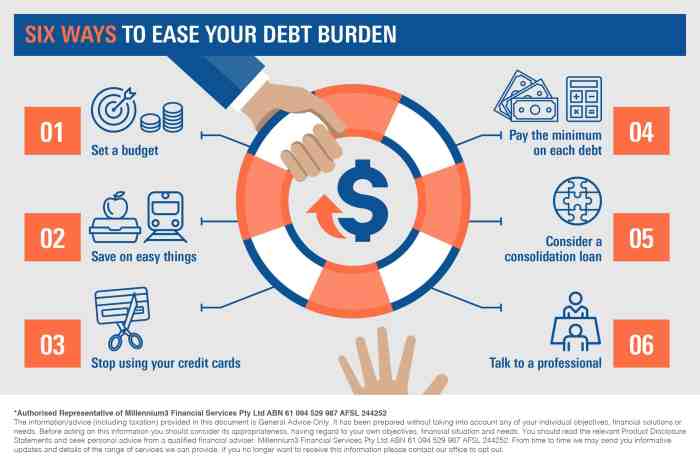
  • Utilize the debt snowball method by paying off the smallest debt first and then rolling the payments into larger debts.
  • Consider debt consolidation to combine multiple debts into one lower-interest loan.
  • Cut down on expenses and redirect the saved money towards debt payments.
  • Negotiate with creditors for lower interest rates or more favorable repayment terms.

Setting Specific Goals for Debt Reduction

It is essential to establish clear and achievable goals when aiming to reduce debt quickly. By setting specific targets, individuals can stay motivated and track their progress effectively.

Prioritizing Debts for Faster Repayment

  • Identify high-interest debts and focus on paying them off first to save money on interest charges.
  • Consider the impact of each debt on credit score and prioritize those with the most significant effect.
  • Automate minimum payments for all debts to avoid late fees and penalties.

Debt Reduction

Debt

Debt reduction refers to the process of actively decreasing the amount of debt that an individual or organization owes. This can be achieved through various strategies such as budgeting, increasing income, negotiating with creditors, or utilizing debt repayment plans.

Difference between Debt Reduction and Debt Consolidation

Debt reduction focuses on lowering the total amount of debt owed by making consistent payments and implementing financial strategies. On the other hand, debt consolidation involves combining multiple debts into a single loan with a lower interest rate, making it easier to manage payments.

Benefits of Actively Reducing Debt

  • Reduced financial stress and anxiety
  • Improved credit score and creditworthiness
  • Increased financial stability and freedom
  • Opportunity to save more and invest for the future

Psychological Impact of Reducing Debt

Reducing debt can have a positive psychological impact on individuals by providing a sense of accomplishment, control over finances, and overall peace of mind. It can also boost confidence and motivation to continue making progress towards financial goals.

In conclusion, Fast Debt Reduction Tips offers a comprehensive guide to managing and reducing debt efficiently. By implementing the strategies discussed, individuals can work towards financial stability and a debt-free future. Take charge of your finances today and start your journey towards a brighter financial future.

FAQ Summary

What are some common strategies for fast debt reduction?

Common strategies include snowball method, avalanche method, and negotiating lower interest rates with creditors.

How important is setting specific goals for debt reduction?

Setting specific goals helps individuals stay focused and motivated on their journey to reduce debt effectively.