How to Reduce Credit Card Debt Practical Strategies for Financial Freedom

Debt

Embark on the journey of reducing credit card debt with our guide on practical strategies for financial freedom. Dive into the world of managing debt and reclaiming your financial health.

Explore effective methods, from budgeting tips to increasing income and cutting expenses, to pave your way towards a debt-free future.

Introduction to Credit Card Debt Reduction

Reducing credit card debt is crucial for maintaining financial health. High levels of credit card debt can lead to various negative consequences, such as high interest payments, lowered credit scores, and limited financial flexibility.On average, households in the United States carry a significant amount of credit card debt. According to recent statistics, the average American household owes over $8,000 in credit card debt.

This debt can accumulate quickly due to high interest rates and minimum payment requirements.

Impact of High Credit Card Debt

  • High interest payments: Carrying a large credit card balance results in paying substantial amounts in interest, making it challenging to pay off the principal amount.
  • Lowered credit scores: High credit card debt can negatively impact credit scores, making it harder to qualify for loans or obtain favorable interest rates in the future.
  • Limited financial flexibility: Having a significant portion of income dedicated to credit card payments restricts the ability to save, invest, or handle unexpected expenses.

Strategies for Reducing Credit Card Debt
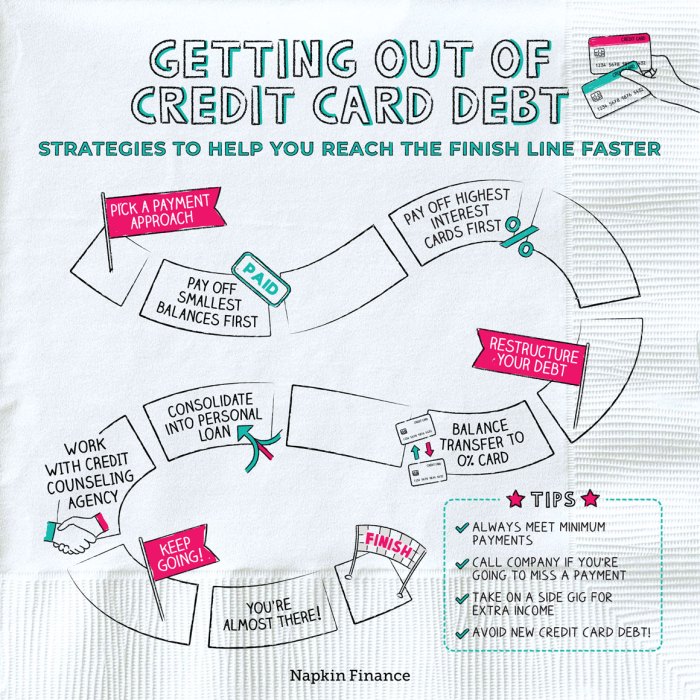
Debt reduce steps

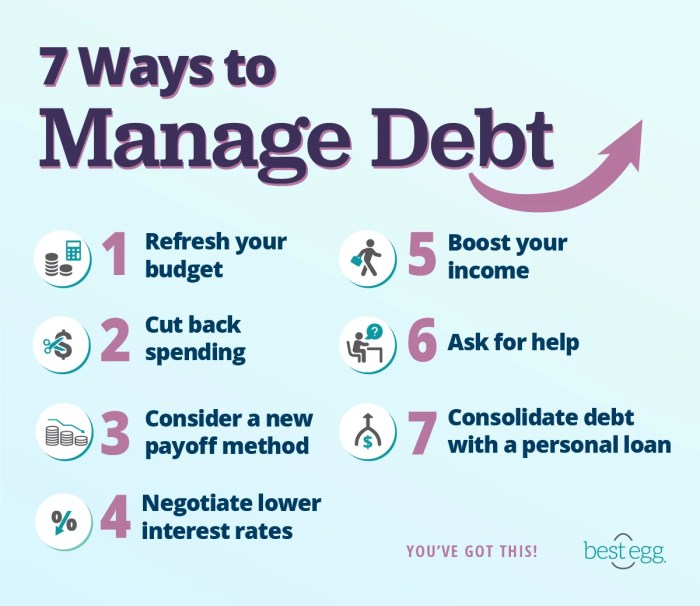
Reducing credit card debt requires a strategic approach to effectively manage your finances and pay off what you owe. Below are some key strategies to help you tackle your credit card debt:

Create a Budget to Manage Debt

Creating a budget is essential when trying to reduce credit card debt. Start by listing all your income sources and expenses to get a clear picture of your financial situation. Identify areas where you can cut back on spending and allocate more funds towards paying off your credit card debt.

Snowball and Avalanche Methods for Paying off Debt

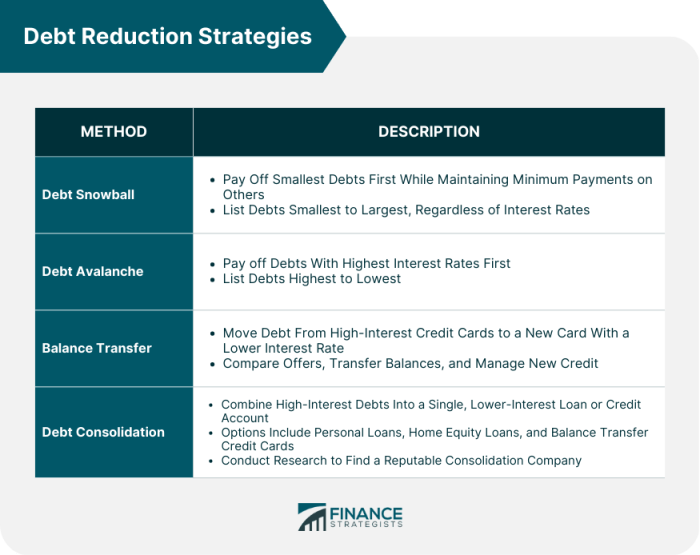
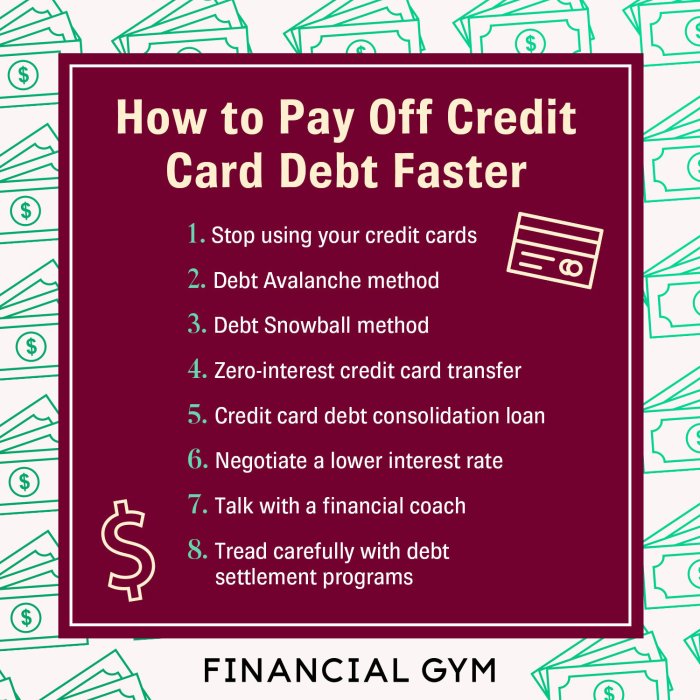
  • Snowball Method: This method involves paying off your smallest debt first while making minimum payments on larger debts. Once the smallest debt is paid off, you move on to the next smallest debt, creating a snowball effect as you tackle each debt one by one.
  • Avalanche Method: With this method, you focus on paying off debts with the highest interest rates first while making minimum payments on other debts. By targeting high-interest debts, you can save money on interest payments in the long run.

Negotiate with Credit Card Companies for Lower Interest Rates

Don’t hesitate to contact your credit card company to negotiate for lower interest rates. Explain your situation and express your willingness to make regular payments. Lower interest rates can help you pay off your debt faster and save money on interest charges.

Increasing Income to Pay Off Debt

Increasing income is a great way to accelerate debt repayment and achieve financial freedom faster. By finding ways to boost your earnings, you can make larger payments towards your credit card debt and reduce the overall interest you’ll have to pay in the long run.

Taking on a Side Hustle or Part-Time Job

One effective way to increase your income is by taking on a side hustle or part-time job. This can be anything from freelance work in your field to driving for a rideshare service or delivering food. By dedicating some extra hours each week to earning additional income, you can make significant progress in paying off your credit card debt.

Selling Unwanted Items or Freelancing

Another strategy to boost your income is by selling unwanted items or freelancing in your spare time. You can declutter your home and earn extra cash by selling items online through platforms like eBay or Facebook Marketplace. Additionally, freelancing in areas such as writing, graphic design, or web development can provide a steady stream of additional income to put towards your debt repayment goals.

Cutting Expenses to Repay Debt

Debt

Reducing discretionary spending is a crucial step in freeing up money to repay credit card debt. By cutting back on non-essential expenses, you can allocate more funds towards paying off your balances and getting closer to financial freedom.

Strategies for Saving Money on Groceries

  • Make a shopping list and stick to it to avoid impulse purchases.
  • Buy generic brands instead of name brands to save money without sacrificing quality.
  • Use coupons and take advantage of sales to lower your grocery bill.
  • Plan your meals for the week to reduce food waste and save on unnecessary purchases.

Tips for Cutting Entertainment Costs

  • Cancel unused subscriptions for streaming services or magazines to reduce monthly expenses.
  • Look for free or low-cost entertainment options in your community, such as local events or outdoor activities.
  • Host movie nights or game nights at home instead of going out to save money on entertainment.

Reducing Discretionary Spending on Non-Essential Items

  • Avoid impulse purchases by waiting 24 hours before buying something to determine if it’s a necessity.
  • Sell items you no longer need or use to generate extra cash that can be put towards debt repayment.
  • Limit dining out and opt for homemade meals to cut down on restaurant expenses.
  • Find ways to enjoy hobbies and interests without spending a lot of money, such as DIY projects or outdoor activities.

Seeking Professional Help for Debt Reduction

Seeking professional help for debt reduction can be a beneficial step for individuals struggling to manage their credit card debt. Credit counseling agencies play a crucial role in providing guidance and support to help individuals create a plan to pay off their debts effectively.

Role of Credit Counseling Agencies

  • Credit counseling agencies offer personalized advice and assistance in creating a budget and debt management plan.
  • They negotiate with creditors to lower interest rates or waive fees, making it easier for individuals to repay their debts.
  • These agencies provide education on financial management and budgeting to help individuals avoid future debt problems.

Debt Consolidation: Pros and Cons

  • Pros:
    • Consolidating debt can simplify payments by combining multiple debts into a single monthly payment.
    • It may lower interest rates, reducing the overall amount paid over time.
    • Debt consolidation can help individuals avoid defaulting on payments and damaging their credit score.
  • Cons:
    • Some debt consolidation programs may come with fees or require collateral, adding to the overall cost.
    • Transferring unsecured debt to a secured loan may put assets at risk if payments are not made.
    • Debt consolidation does not address the root cause of debt accumulation and may lead to further financial challenges if spending habits are not addressed.

When to Seek Help from a Financial Advisor

  • It might be beneficial to seek help from a financial advisor when facing complex financial situations, such as multiple debts with varying interest rates.
  • A financial advisor can provide personalized advice on debt management strategies, investment options, and long-term financial planning.
  • They can help individuals create a comprehensive financial plan to address debt repayment, savings goals, and retirement planning.

In conclusion, taking steps to reduce credit card debt is a crucial part of achieving financial stability. By implementing the strategies Artikeld, you can work towards a debt-free life and secure a healthier financial future.

FAQ Section

How quickly can I reduce my credit card debt?

Reducing credit card debt depends on various factors such as your current debt amount, income, and expenses. By following a structured repayment plan, you can make significant progress over time.

Is it advisable to consolidate credit card debt?

Consolidating credit card debt can be a viable option for some individuals, as it allows for a single monthly payment and potentially lower interest rates. However, it’s essential to weigh the pros and cons before making a decision.

Can negotiating with credit card companies really lower interest rates?

Yes, negotiating with credit card companies can sometimes lead to lower interest rates, especially if you have a history of on-time payments. It’s worth exploring this option to potentially reduce the financial burden of high interest charges.
Credit Counseling for Debt Reduction A Comprehensive Guide

Debt consolidation

Embark on a journey through Credit Counseling for Debt Reduction, uncovering valuable insights and practical tips that can pave the way to financial freedom.

Explore the world of credit counseling, debt reduction strategies, and essential tools for managing your finances effectively.

Overview of Credit Counseling for Debt Reduction

Debt relief credit card consolidated

Credit counseling is a service designed to help individuals manage their finances and reduce debt effectively. It involves working with a trained credit counselor who provides guidance on budgeting, debt repayment strategies, and financial planning.

How Credit Counseling Can Help with Debt Reduction

Credit counseling can assist individuals in creating a realistic budget, negotiating with creditors to lower interest rates or waive fees, and developing a personalized plan to repay debt. By understanding their financial situation and receiving expert advice, individuals can take control of their debt and work towards financial stability.

Benefits of Seeking Credit Counseling Services

  • Professional Guidance: Credit counselors offer expert advice tailored to an individual’s financial situation, helping them make informed decisions.
  • Debt Management Plan: Credit counseling agencies can assist in setting up a debt management plan to consolidate and repay debts efficiently.
  • Financial Education: Individuals can gain valuable knowledge about budgeting, saving, and managing credit through credit counseling sessions.
  • Reduced Stress: By having a structured plan in place and support from a credit counselor, individuals can reduce financial stress and anxiety.

Importance of Debt Reduction

Reducing debt holds a significant impact on achieving financial stability and security. By actively working towards lowering debt levels, individuals can alleviate financial stress, improve their credit score, and work towards building a solid financial foundation.

Negative Impacts of High Levels of Debt

Carrying high levels of debt can have detrimental effects on an individual’s financial well-being. Some negative impacts include:

  • Increased financial stress and anxiety
  • Higher interest payments leading to more money spent on debt
  • Limited ability to save for emergencies or future goals
  • Potential damage to credit score and borrowing capacity

Strategies for Achieving Debt Reduction Goals

There are several effective strategies individuals can implement to work towards reducing their debt:

  • Create a budget to track expenses and identify areas to cut back
  • Consolidate high-interest debts into a lower interest loan or credit card
  • Consider debt settlement or negotiation with creditors
  • Focus on paying off high-interest debts first to save on interest payments
  • Seek assistance from credit counseling services for personalized debt reduction plans

Steps Involved in Credit Counseling for Debt Reduction

Credit counseling for debt reduction typically involves a structured process to help individuals regain control of their finances. Here is an overview of the steps usually involved in credit counseling:

Assessment of Financial Situation

One of the first steps in credit counseling is for the credit counselor to assess the individual’s financial situation thoroughly. This involves looking at all sources of income, expenses, debts, and assets to get a clear picture of the financial standing.

Creation of Personalized Debt Management Plans

Based on the assessment, the credit counselor will then work with the individual to create a personalized debt management plan. This plan may include strategies such as budgeting, negotiation with creditors, and setting up a repayment schedule.

Tools and Resources for Debt Reduction

Debt consolidation

When it comes to managing debt and reducing financial burdens, there are various tools and resources available to assist individuals in their journey towards financial stability.

Common Tools for Tracking Expenses and Managing Debt

  • Spreadsheets: Creating a budget spreadsheet can help track income, expenses, and debt payments.
  • Expense Tracking Apps: Apps like Mint, YNAB, or PocketGuard can automatically categorize expenses and provide insights on spending habits.
  • Debt Repayment Calculators: Online tools that help create a repayment plan based on debt amount, interest rates, and monthly payments.

Online Resources for Debt Reduction Guidance

  • Debt Counseling Websites: Platforms like NFCC.org or Debt.org offer educational resources, counseling services, and debt management plans.
  • Financial Blogs and Forums: Blogs like The Simple Dollar or forums like Reddit’s Personal Finance subreddit can provide valuable tips and advice from experts and peers.
  • Government Websites: Websites like USA.gov or FTC.gov offer information on debt relief options, consumer rights, and financial literacy resources.

Budgeting Apps and Software for Debt Reduction

  • Mint: An all-in-one financial management app that helps track spending, create budgets, and set financial goals.
  • YNAB (You Need A Budget): A budgeting app that focuses on giving every dollar a job, helping users prioritize debt repayment and savings.
  • Debt Payoff Planner: An app specifically designed to create a debt payoff plan based on debt amount, interest rates, and extra payments.

In conclusion, Credit Counseling for Debt Reduction offers a roadmap to financial stability and a debt-free future, empowering individuals to take control of their financial well-being.

FAQ

How does credit counseling differ from debt consolidation?

Credit counseling focuses on educating individuals on financial management and creating personalized plans, while debt consolidation involves combining multiple debts into a single loan.

Are credit counseling services free?

Many non-profit credit counseling agencies offer free or low-cost services, but for-profit agencies may charge fees. It’s essential to research and choose a reputable agency.

Can credit counseling impact my credit score?

Enrolling in credit counseling itself doesn’t directly affect your credit score. However, it may be noted on your credit report, which could influence lenders’ decisions.

Debt Consolidation vs Debt Settlement Which is Right for You?

Bankruptcy debt consolidation credible considering

Embark on a journey comparing Debt Consolidation vs Debt Settlement, delving into the nuances of each to help you make informed financial decisions.

Explore the differences, benefits, and real-life scenarios to gain a deeper understanding of managing debts effectively.

Debt Consolidation vs Debt Settlement

Debt consolidation and debt settlement are two common strategies individuals use to manage their debts. Understanding the key differences between them can help you make an informed decision on which option is best for your financial situation.

Key Differences

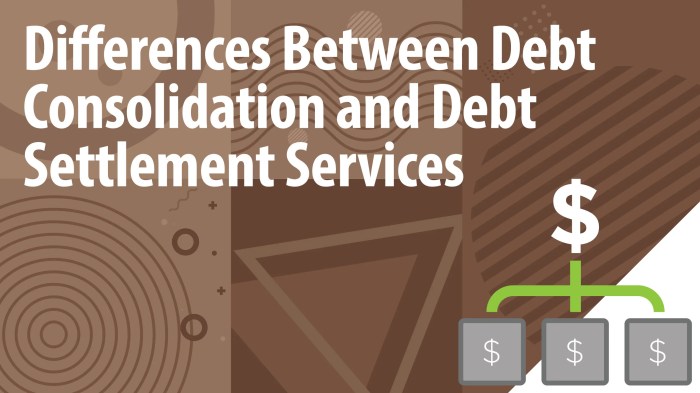
Debt consolidation involves combining multiple debts into a single loan with a lower interest rate, making it easier to manage payments. On the other hand, debt settlement is negotiating with creditors to pay off a portion of the debt, typically resulting in a lower total amount owed.

Pros and Cons

  • Debt Consolidation:
  • Pros:
    • Lower interest rates
    • Simplified payment structure
    • Improvement in credit score with timely payments
  • Cons:
    • May require collateral
    • Longer repayment period
    • Not reducing the total debt amount
  • Debt Settlement:
  • Pros:
    • Potential for reducing total debt amount
    • Opportunity to settle debts for less than owed
    • Offers a way out for those struggling with overwhelming debt
  • Cons:
    • Negative impact on credit score
    • Possibility of facing legal action from creditors
    • Requires a lump sum payment

Situations for Debt Consolidation

Debt consolidation is more suitable for individuals with multiple high-interest debts who are looking to simplify their payments and potentially lower their interest rates. For example, someone with credit card debt from multiple sources could benefit from consolidating all those debts into a single loan with a lower interest rate.

Situations for Debt Settlement

Debt settlement might be a better option for individuals who are struggling to make minimum payments on their debts and are at risk of bankruptcy. In cases where the total debt amount is significantly higher than the individual’s ability to repay, negotiating a settlement with creditors could provide a more manageable solution.

Debt Consolidation

Settlement consolidation

Debt consolidation is a financial strategy that involves combining multiple debts into a single loan or payment. This can make it easier to manage debt by streamlining payments and potentially lowering interest rates.

Methods of Debt Consolidation

  • Balance Transfers: This method involves transferring high-interest credit card debt to a new credit card with a lower interest rate.
  • Personal Loans: Individuals can take out a personal loan to pay off multiple debts, consolidating them into one monthly payment.
  • Debt Management Plans: These plans are offered by credit counseling agencies and involve negotiating lower interest rates or payments with creditors to help individuals pay off debt more effectively.

Benefits of Debt Consolidation

  • Single Payment: Consolidating debts into one payment can simplify budgeting and make it easier to keep track of payments.
  • Lower Interest Rates: By consolidating debts, individuals may qualify for lower interest rates, potentially saving money in the long run.
  • Reduced Stress: Managing multiple debts can be overwhelming, and debt consolidation can help reduce stress by combining debts into one manageable payment.

Impact on Credit Scores

Debt consolidation can have both positive and negative effects on credit scores. While consolidating debts can lower credit utilization and improve credit scores in the long run, applying for new credit or closing old accounts can temporarily lower credit scores. It is important for individuals to carefully consider the impact on their credit scores before pursuing debt consolidation.

Debt Settlement

Bankruptcy debt consolidation credible considering

Debt settlement involves negotiating with creditors to settle debts for a lower amount than what is owed. This differs from debt consolidation, where multiple debts are combined into one monthly payment.

Negotiating with Creditors for Debt Settlement

When negotiating with creditors for debt settlement, it is essential to be prepared with a clear understanding of your financial situation. Communicate openly and honestly with creditors about your inability to repay the full amount. Offer a lump sum payment or a structured payment plan that works for both parties. It’s crucial to get any settlement agreement in writing to avoid misunderstandings in the future.

Consequences of Debt Settlement on Credit Scores

Debt settlement can have a negative impact on credit scores as the settled accounts will be marked as “settled” or “paid, settled” on credit reports. This negative mark can stay on credit reports for up to seven years, affecting the ability to secure credit or loans in the future. However, it is important to weigh the consequences of debt settlement against the benefits of resolving debts and avoiding bankruptcy.

Success Stories of Debt Settlement

Many individuals have effectively used debt settlement to manage their debts and achieve financial freedom. By negotiating with creditors and settling debts for a reduced amount, people have been able to avoid bankruptcy and regain control of their finances. Success stories often involve careful planning, budgeting, and communication with creditors to reach mutually beneficial agreements.

Debt Reduction

Reducing debt burdens is a crucial step towards achieving financial stability. By implementing effective strategies and prioritizing debts, individuals can work towards becoming debt-free and secure their financial future.

Importance of Budgeting and Financial Planning

Budgeting and financial planning play a key role in debt reduction. By creating a detailed budget, individuals can track their income and expenses, identify areas where they can cut back, and allocate more funds towards debt repayment.

Tips for Prioritizing Debts

  • Start by listing all debts and their respective interest rates.
  • Focus on paying off high-interest debts first to minimize interest payments.
  • Consider using the snowball or avalanche method to tackle debts systematically.
  • Avoid taking on new debt while working on paying off existing debts.

Role of Debt Reduction in Achieving Long-Term Financial Stability

Debt reduction is essential for achieving long-term financial stability as it allows individuals to free up resources that can be invested or saved for future goals. By eliminating debt, individuals can reduce financial stress, improve credit scores, and build a solid foundation for a secure financial future.

In conclusion, weighing the options of Debt Consolidation vs Debt Settlement is crucial in achieving financial stability and freedom. Make an informed choice tailored to your unique situation for a debt-free future.

Questions and Answers

Which option is better for improving credit scores: Debt Consolidation or Debt Settlement?

Debt Consolidation usually has a less negative impact on credit scores compared to Debt Settlement, as it involves paying off debts in full.

Can I switch from Debt Consolidation to Debt Settlement if needed?

It’s possible to explore Debt Settlement if Debt Consolidation isn’t working for you, but it’s essential to understand the implications on your credit and financial situation.

Debt Reduction Services for Seniors A Guide to Financial Freedom

Debt citizens senior

Embark on a journey through the realm of Debt Reduction Services for Seniors, uncovering the key strategies and solutions that pave the way to economic empowerment and peace of mind.

Delve into the intricacies of debt management specifically designed for seniors, ensuring a secure and stable financial future.

DEBT REDUCTION SERVICES FOR SENIORS

As seniors face unique financial challenges, debt reduction services play a crucial role in helping them manage their debts effectively.

Common Financial Challenges Faced by Seniors Related to Debt

Seniors often encounter fixed incomes, rising healthcare costs, and unexpected expenses, making it challenging to keep up with debt payments. Additionally, predatory lending practices and scams targeting seniors can lead to increased debt burdens.

Benefits of Utilizing Debt Reduction Services for Seniors

  • Professional Guidance: Debt reduction services provide seniors with expert advice and strategies to create manageable repayment plans tailored to their financial situation.
  • Debt Consolidation: By consolidating multiple debts into a single monthly payment with lower interest rates, seniors can simplify their finances and reduce overall debt.
  • Financial Education: These services offer valuable financial literacy resources to seniors, empowering them to make informed decisions and prevent future debt accumulation.
  • Emotional Support: Dealing with debt can be overwhelming, and debt reduction services offer emotional support to seniors, reducing stress and anxiety related to financial struggles.

AVAILABLE DEBT REDUCTION OPTIONS

When it comes to debt reduction services tailored for seniors, there are several options available to help them manage their financial obligations effectively. Let’s explore some of these options below:

Debt Consolidation

Debt consolidation involves combining multiple debts into a single loan with a lower interest rate. This can make it easier for seniors to manage their payments and potentially reduce the overall amount owed.

Debt Settlement

Debt settlement, on the other hand, involves negotiating with creditors to settle the debt for less than the full amount owed. While this can lead to a significant reduction in debt, it can also have a negative impact on credit scores.

Eligibility Criteria

Seniors looking to enroll in debt reduction programs typically need to meet certain eligibility criteria, which may include having a certain level of debt, a stable income, and a willingness to commit to a repayment plan. It’s important for seniors to carefully consider their options and choose the one that best suits their financial situation.

FINANCIAL COUNSELING AND EDUCATION

Debt pay off reduction solution services good shares

Financial counseling plays a crucial role in helping seniors reduce debt by providing personalized guidance and strategies to improve their financial situation. By working with a financial counselor, seniors can create a realistic plan to pay off debt and manage their finances more effectively.

Role of Financial Counseling

Financial counseling for seniors involves a comprehensive assessment of their financial situation, including income, expenses, assets, and debts. Counselors help seniors understand their financial options and develop a customized debt repayment plan based on their unique circumstances. They also provide support and guidance throughout the debt reduction process, offering advice on budgeting, negotiating with creditors, and making informed financial decisions.

  • Financial counselors can help seniors prioritize their debts and create a realistic budget to allocate funds towards debt repayment.
  • They can negotiate with creditors on behalf of seniors to lower interest rates, waive fees, or establish more manageable payment plans.
  • Financial counselors may also provide resources and referrals to additional support services, such as legal aid or housing assistance, if needed.

Financial Education for Seniors

Financial education is essential for seniors to develop the knowledge and skills needed to manage their finances wisely and avoid falling into debt. By learning about budgeting, saving, investing, and credit management, seniors can make informed financial decisions and reduce the risk of accumulating debt.

  • Seniors can benefit from financial education workshops, online resources, and one-on-one counseling sessions to improve their financial literacy and confidence in managing money.
  • Understanding the basics of personal finance, such as creating a budget, building an emergency fund, and avoiding high-interest debt, can help seniors make sound financial choices.
  • Financial education empowers seniors to take control of their financial future, plan for retirement, and achieve long-term financial stability.

Tips for Seniors on Budgeting and Financial Planning

Seniors can take proactive steps to reduce debt and improve their financial well-being by implementing effective budgeting and financial planning strategies. By following these tips, seniors can better manage their finances and work towards a debt-free future.

  • Create a detailed budget that Artikels monthly income, expenses, and debt payments. Identify areas where expenses can be reduced or eliminated to free up funds for debt repayment.
  • Set financial goals and prioritize debt repayment by focusing on high-interest debts first. Consider consolidating debts or seeking professional help if needed.
  • Monitor your credit report regularly and address any errors or discrepancies that could impact your credit score. A good credit score can help you qualify for better loan terms and lower interest rates.

LEGAL ASPECTS AND CONSUMER PROTECTION

Debt citizens senior

When it comes to dealing with debt collectors, seniors have legal rights that protect them from harassment and unfair practices. These rights are Artikeld in the Fair Debt Collection Practices Act (FDCPA), which prohibits abusive, deceptive, and unfair debt collection practices.

Legal Rights of Seniors

  • Seniors have the right to request validation of the debt in writing within five days of initial contact by a debt collector.
  • Debt collectors are prohibited from calling outside of the hours of 8 a.m. to 9 p.m. unless otherwise specified by the debtor.
  • Seniors have the right to request that debt collectors cease all communication with them, except for certain specified actions such as notifying the debtor of legal action.

Consumer Protection Laws

Consumer protection laws are essential for seniors in debt as they provide safeguards against abusive and fraudulent practices. These laws ensure that seniors are treated fairly and have avenues for recourse if they experience mistreatment by debt collectors.

Scams Targeting Seniors

  • One common scam targeting seniors in debt is the “debt relief” scam, where fraudsters promise to eliminate debt for a fee but fail to deliver on their promises.
  • Another scam is the “identity theft” scam, where scammers steal seniors’ personal information to open fraudulent accounts and accrue debt in their name.
  • To avoid falling victim to scams, seniors should never provide personal or financial information to unsolicited callers and should verify the legitimacy of any debt relief services before engaging with them.

In conclusion, Debt Reduction Services for Seniors offer a lifeline to navigate the complexities of financial struggles, empowering seniors to embrace a debt-free existence with confidence and control.

FAQ Section

How can seniors benefit from debt reduction services?

Seniors can benefit by receiving tailored financial guidance and support to effectively reduce and manage their debt burden.

What are the eligibility criteria for seniors to enroll in debt reduction programs?

Eligibility criteria may vary but generally include factors such as income level, total debt amount, and the ability to commit to the program.

How does financial counseling aid seniors in debt reduction?

Financial counseling provides personalized strategies and tools to help seniors understand their financial situation and make informed decisions to reduce debt.

What legal rights do seniors have when dealing with debt collectors?

Seniors have rights protected by laws such as the Fair Debt Collection Practices Act, which safeguard them from unfair or abusive practices by debt collectors.

How can seniors avoid falling victim to scams targeting those in debt?

Seniors can protect themselves by staying informed, verifying the legitimacy of any offers or services, and seeking advice from trusted sources before engaging with any debt relief company.

Debt Reduction Strategies 2024 Effective Ways to Manage Debt

Debt reduction

Debt Reduction Strategies 2024 sets the stage for this enthralling narrative, offering readers a glimpse into a story that is rich in detail with casual formal language style and brimming with originality from the outset.

In the ever-evolving landscape of personal finance, finding the right strategies to reduce debt is crucial for a secure financial future. This article delves into the top debt reduction methods for 2024 and the importance of having a solid plan in place.

DEBT REDUCTION STRATEGIES 2024

Debt reduction strategies itsallyouboo

When it comes to tackling debt, having a solid plan in place is crucial for financial stability and peace of mind. In 2024, there are several effective strategies that individuals can consider to reduce and eliminate their debt.

Identifying the Top Debt Reduction Strategies

  • Debt Snowball Method: This strategy involves paying off the smallest debts first while making minimum payments on larger debts. Once the smallest debt is paid off, the amount that was being paid towards it is then rolled over to the next smallest debt, creating a snowball effect.
  • Debt Avalanche Method: With this approach, individuals focus on paying off debts with the highest interest rates first. By tackling high-interest debts, they can save money in the long run and accelerate the debt repayment process.
  • Debt Consolidation: Consolidating multiple debts into a single loan with a lower interest rate can make repayment more manageable. It simplifies the repayment process and potentially reduces the total amount paid in interest.

Importance of Having a Debt Reduction Plan

Having a debt reduction plan not only helps individuals stay organized and focused on their financial goals but also allows them to save money on interest payments. It provides a roadmap for becoming debt-free and achieving financial freedom.

Comparing Different Debt Reduction Methods

  • Effectiveness: The debt snowball method is effective for individuals who need motivation from quick wins, while the debt avalanche method may be more beneficial for those looking to save on interest costs.
  • Suitability: Debt consolidation is suitable for individuals with multiple high-interest debts who want to simplify their repayment process, whereas the debt snowball and debt avalanche methods are better for those who prefer a more structured approach.
  • Long-Term Impact: Each debt reduction method has its own long-term impact on an individual’s financial situation. It’s important to consider factors such as total interest paid, time to debt freedom, and overall financial goals.

DEBT REDUCTION

Debt reduction

Debt reduction is the process of decreasing or eliminating the amount of debt that an individual owes to creditors. This can involve creating a repayment plan, negotiating with creditors, or seeking assistance from debt relief programs.

Common Types of Debts

  • Credit card debt: Accumulated by using credit cards for purchases and not paying off the full balance each month.
  • Student loans: Money borrowed to fund higher education expenses that need to be repaid with interest.
  • Mortgage loans: Loans taken out to purchase a home, with monthly payments required to pay off the loan amount.
  • Car loans: Loans used to finance the purchase of a vehicle, with interest accruing over the loan term.

Importance of Debt Reduction

Debt reduction is crucial for financial stability as it can lead to a variety of benefits, including:

  • Lower financial stress: Reducing debt can alleviate the burden of monthly payments and interest charges, leading to less stress and anxiety.
  • Improved credit score: Paying off debts can positively impact your credit score, making it easier to qualify for loans and lower interest rates in the future.
  • Increased savings: By reducing debt, individuals can free up more money to save for emergencies, retirement, or other financial goals.
  • Financial freedom: Eliminating debt allows individuals to have more control over their finances and make decisions based on their priorities rather than debt obligations.

In conclusion, Debt Reduction Strategies 2024 presents a roadmap to financial freedom through effective debt management techniques. By implementing the right strategies and staying committed to reducing debt, individuals can pave the way for a stable and prosperous future.

Common Queries

What are the top debt reduction strategies for 2024?

The top strategies include prioritizing high-interest debts, creating a budget, negotiating with creditors, and considering debt consolidation.

Why is having a debt reduction plan important?

Having a plan helps individuals stay focused, track progress, and make informed financial decisions to reduce debt effectively.

What types of debts do individuals commonly need to reduce?

Common types of debts include credit card debt, student loans, medical bills, and personal loans.

How does debt reduction contribute to financial stability?

Reducing debt lowers financial stress, improves credit scores, increases savings potential, and opens up opportunities for investments.

Fast Debt Reduction Tips Strategies to Quickly Reduce Debt and Achieve Financial Freedom

Debt

Fast Debt Reduction Tips sets the stage for this engaging narrative, providing insights into effective strategies for reducing debt quickly and achieving financial goals. As we delve into the world of debt reduction, readers will discover practical tips and expert advice to help them take control of their finances with confidence.

Fast Debt Reduction Tips

Debt reduce burden ways au

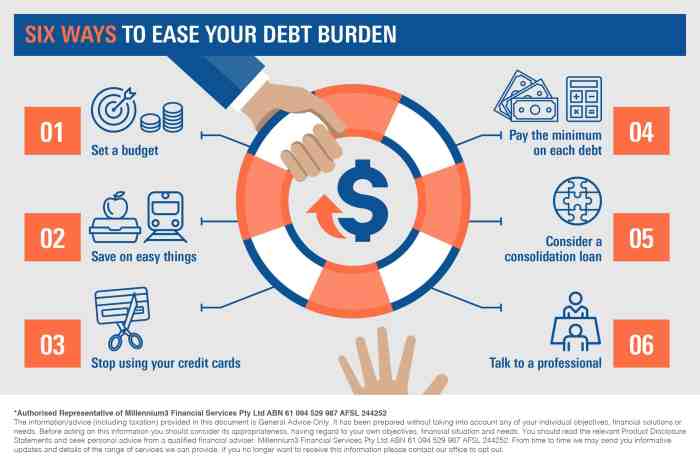
When it comes to fast debt reduction, the goal is to pay off debts quickly and efficiently to save money on interest and improve financial well-being. By implementing specific strategies and setting clear goals, individuals can prioritize their debts for faster repayment.

Common Strategies for Fast Debt Reduction

  • Utilize the debt snowball method by paying off the smallest debt first and then rolling the payments into larger debts.
  • Consider debt consolidation to combine multiple debts into one lower-interest loan.
  • Cut down on expenses and redirect the saved money towards debt payments.
  • Negotiate with creditors for lower interest rates or more favorable repayment terms.

Setting Specific Goals for Debt Reduction

It is essential to establish clear and achievable goals when aiming to reduce debt quickly. By setting specific targets, individuals can stay motivated and track their progress effectively.

Prioritizing Debts for Faster Repayment

  • Identify high-interest debts and focus on paying them off first to save money on interest charges.
  • Consider the impact of each debt on credit score and prioritize those with the most significant effect.
  • Automate minimum payments for all debts to avoid late fees and penalties.

Debt Reduction

Debt

Debt reduction refers to the process of actively decreasing the amount of debt that an individual or organization owes. This can be achieved through various strategies such as budgeting, increasing income, negotiating with creditors, or utilizing debt repayment plans.

Difference between Debt Reduction and Debt Consolidation

Debt reduction focuses on lowering the total amount of debt owed by making consistent payments and implementing financial strategies. On the other hand, debt consolidation involves combining multiple debts into a single loan with a lower interest rate, making it easier to manage payments.

Benefits of Actively Reducing Debt

  • Reduced financial stress and anxiety
  • Improved credit score and creditworthiness
  • Increased financial stability and freedom
  • Opportunity to save more and invest for the future

Psychological Impact of Reducing Debt

Reducing debt can have a positive psychological impact on individuals by providing a sense of accomplishment, control over finances, and overall peace of mind. It can also boost confidence and motivation to continue making progress towards financial goals.

In conclusion, Fast Debt Reduction Tips offers a comprehensive guide to managing and reducing debt efficiently. By implementing the strategies discussed, individuals can work towards financial stability and a debt-free future. Take charge of your finances today and start your journey towards a brighter financial future.

FAQ Summary

What are some common strategies for fast debt reduction?

Common strategies include snowball method, avalanche method, and negotiating lower interest rates with creditors.

How important is setting specific goals for debt reduction?

Setting specific goals helps individuals stay focused and motivated on their journey to reduce debt effectively.