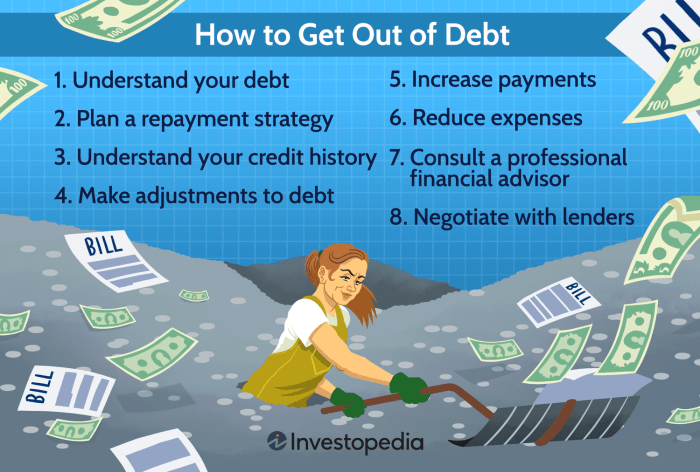
How to Reduce Mortgage Debt A Comprehensive Guide to Financial Freedom

Debt reducing

How to Reduce Mortgage Debt sets the stage for this enthralling narrative, offering readers a glimpse into a story that is rich in detail with casual formal language style and brimming with originality from the outset.

Reducing mortgage debt is a crucial step towards achieving financial freedom. By exploring various strategies and refinancing options, individuals can effectively manage their debt and work towards a debt-free future.

Introduction to Mortgage Debt Reduction

When we talk about mortgage debt, we are referring to the amount of money borrowed from a financial institution to purchase a home. This debt is typically paid off over a long period of time, often spanning decades. While having a mortgage allows individuals to become homeowners, it also comes with financial implications that can impact long-term financial stability.

Reducing mortgage debt is crucial for several reasons. Firstly, it can help homeowners save money on interest payments over time. By paying off the debt sooner, they can reduce the total amount paid towards the mortgage. Additionally, reducing mortgage debt can lead to increased equity in the home, providing homeowners with a valuable asset that can be utilized for future financial needs.

Financial Freedom through Mortgage Debt Reduction

Reducing mortgage debt is a key step towards achieving financial freedom. When homeowners are no longer burdened by a large mortgage payment, they have more flexibility in their finances. This can lead to greater opportunities for savings, investments, and overall financial security. By eliminating mortgage debt, individuals can free up their cash flow and work towards building wealth and achieving their financial goals.

Strategies for Reducing Mortgage Debt
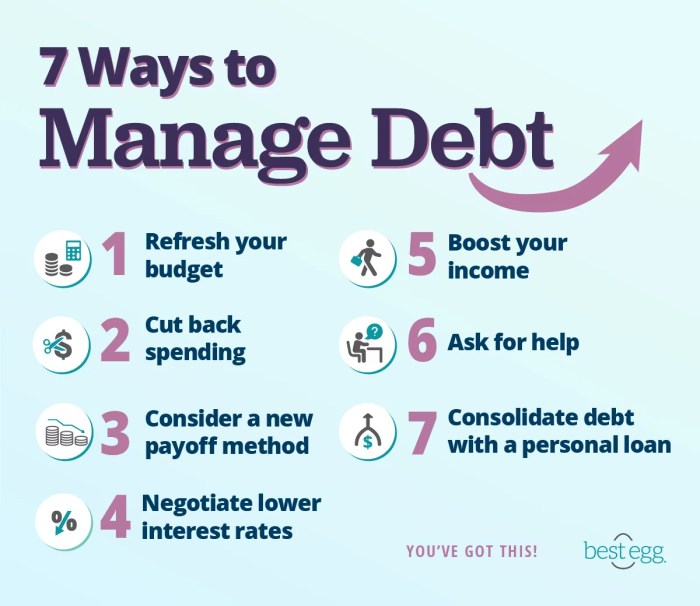
Manage debt ways tips financial

Reducing mortgage debt can be a daunting task, but with the right strategies, it can be more manageable and achievable. Two popular methods for paying off mortgage debt are the snowball method and the avalanche method. Additionally, making extra payments towards the principal can significantly reduce the overall debt and save money in the long run.

The Snowball Method for Paying Off Mortgage Debt

The snowball method involves paying off the smallest debt first while making minimum payments on all other debts. Once the smallest debt is paid off, the amount previously allocated to that debt is then added to the next smallest debt, creating a snowball effect. This method can provide a sense of accomplishment and motivation as debts are paid off one by one.

The Avalanche Method as an Alternative Strategy

The avalanche method focuses on paying off debts with the highest interest rates first, while continuing to make minimum payments on other debts. By tackling high-interest debts first, this method can save more money in interest payments over time compared to the snowball method. While it may take longer to see progress, the avalanche method can result in significant savings in the long term.

Benefits of Making Extra Payments Towards the Principal

Making extra payments towards the principal of your mortgage can help reduce the overall debt faster and save money on interest payments. By reducing the principal amount, you are effectively decreasing the total amount of interest that accrues over the life of the loan. Even small additional payments each month can have a big impact on reducing mortgage debt and shortening the loan term.

Refinancing Options for Mortgage Debt Reduction

When looking to reduce mortgage debt, exploring refinancing options can be a strategic move. Refinancing offers the opportunity to adjust your mortgage terms and potentially lower your overall debt burden.

Comparing Fixed-Rate and Adjustable-Rate Mortgages

Before deciding on a refinancing option, it’s important to understand the differences between fixed-rate and adjustable-rate mortgages. Fixed-rate mortgages offer stable interest rates throughout the loan term, providing predictability for budgeting. On the other hand, adjustable-rate mortgages start with a lower initial rate that can change over time based on market conditions.

Lowering Interest Rates through Refinancing

One of the primary goals of refinancing is to secure a lower interest rate compared to your current mortgage. By refinancing at a lower rate, you can potentially save money on interest payments over the life of the loan. This reduction in interest can contribute to overall debt reduction.

Shortening Loan Term and Reducing Debt

Refinancing also allows homeowners to shorten the loan term, which can lead to faster debt repayment. By refinancing to a shorter term, borrowers can potentially save on interest costs and build home equity at a quicker pace. This accelerated repayment schedule can help reduce mortgage debt more rapidly.

Budgeting Tips for Mortgage Debt Reduction

Creating a budget is crucial when aiming to reduce mortgage debt. By allocating more funds towards mortgage payments, you can accelerate the payoff process and save on interest in the long run.

Cutting Unnecessary Expenses

One of the most effective ways to free up funds for debt reduction is by cutting unnecessary expenses. This could include dining out less frequently, canceling unused subscriptions, or finding more cost-effective alternatives for everyday items.

Living Below Your Means

Living below your means is essential for accelerating mortgage debt payoff. By spending less than you earn, you can allocate the surplus towards your mortgage payments, reducing the principal amount owed and saving on interest over time.

Seeking Professional Help for Mortgage Debt Reduction

Debt reducing

Seeking professional help for mortgage debt reduction can be a smart move when you find yourself overwhelmed by the complexities of managing your mortgage. Financial advisors, credit counselors, and mortgage brokers can provide valuable assistance in navigating the process of reducing your mortgage debt.

When to Seek Advice from a Financial Advisor

Financial advisors can be particularly helpful when you’re facing challenges in managing your mortgage debt and need expert guidance on creating a strategic plan to reduce it. They can offer personalized advice based on your financial situation and long-term goals.

The Role of Credit Counselors in Managing Mortgage Debt

Credit counselors specialize in helping individuals manage their debt, including mortgage debt. They can assist you in developing a budget, negotiating with lenders, and exploring debt consolidation options. Working with a credit counselor can provide you with the necessary tools and strategies to effectively tackle your mortgage debt.

Benefits of Working with a Mortgage Broker for Refinancing Options

Mortgage brokers are well-versed in the refinancing process and can help you explore various options to reduce your mortgage debt. They have access to a wide range of lenders and can help you find the best refinancing solution tailored to your specific needs. By working with a mortgage broker, you can potentially secure a lower interest rate, reduce your monthly payments, and ultimately save money in the long run.

In conclusion, navigating the world of mortgage debt reduction requires careful planning and dedication. By following the tips and seeking professional help when needed, individuals can take control of their financial well-being and pave the way for a more secure future.

Expert Answers

When should I consider refinancing my mortgage?

Refinancing your mortgage can be beneficial when interest rates are lower than what you’re currently paying, or if you want to switch from an adjustable-rate to a fixed-rate mortgage.

Is it better to use the snowball or avalanche method for paying off mortgage debt?

The choice between the snowball and avalanche method depends on your financial goals. The snowball method focuses on paying off the smallest debts first, while the avalanche method prioritizes debts with the highest interest rates.

How can living below my means help in reducing mortgage debt?

Living below your means involves cutting unnecessary expenses and saving more money, which can then be allocated towards paying off your mortgage faster and reducing overall debt.
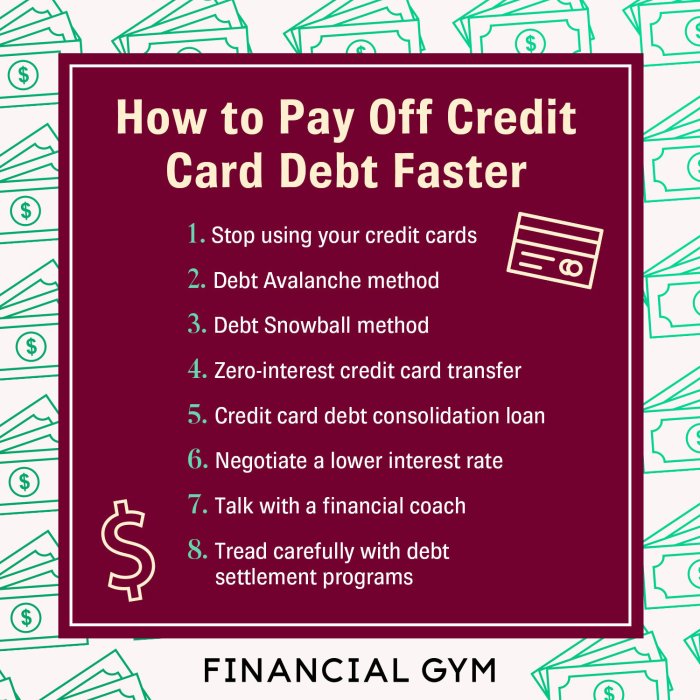
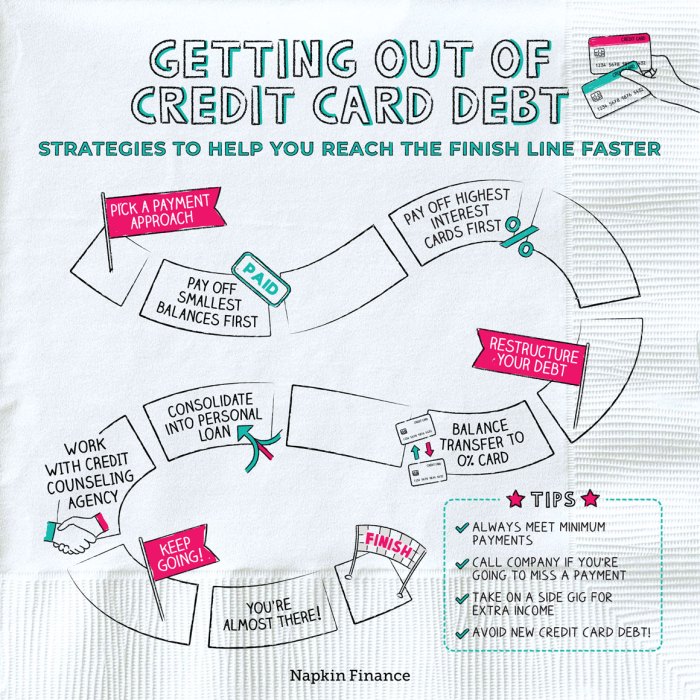
How to Reduce Credit Card Debt Practical Strategies for Financial Freedom

Debt

Embark on the journey of reducing credit card debt with our guide on practical strategies for financial freedom. Dive into the world of managing debt and reclaiming your financial health.

Explore effective methods, from budgeting tips to increasing income and cutting expenses, to pave your way towards a debt-free future.

Introduction to Credit Card Debt Reduction

Reducing credit card debt is crucial for maintaining financial health. High levels of credit card debt can lead to various negative consequences, such as high interest payments, lowered credit scores, and limited financial flexibility.On average, households in the United States carry a significant amount of credit card debt. According to recent statistics, the average American household owes over $8,000 in credit card debt.

This debt can accumulate quickly due to high interest rates and minimum payment requirements.

Impact of High Credit Card Debt

  • High interest payments: Carrying a large credit card balance results in paying substantial amounts in interest, making it challenging to pay off the principal amount.
  • Lowered credit scores: High credit card debt can negatively impact credit scores, making it harder to qualify for loans or obtain favorable interest rates in the future.
  • Limited financial flexibility: Having a significant portion of income dedicated to credit card payments restricts the ability to save, invest, or handle unexpected expenses.

Strategies for Reducing Credit Card Debt

Debt reduce steps

Reducing credit card debt requires a strategic approach to effectively manage your finances and pay off what you owe. Below are some key strategies to help you tackle your credit card debt:

Create a Budget to Manage Debt

Creating a budget is essential when trying to reduce credit card debt. Start by listing all your income sources and expenses to get a clear picture of your financial situation. Identify areas where you can cut back on spending and allocate more funds towards paying off your credit card debt.

Snowball and Avalanche Methods for Paying off Debt

  • Snowball Method: This method involves paying off your smallest debt first while making minimum payments on larger debts. Once the smallest debt is paid off, you move on to the next smallest debt, creating a snowball effect as you tackle each debt one by one.
  • Avalanche Method: With this method, you focus on paying off debts with the highest interest rates first while making minimum payments on other debts. By targeting high-interest debts, you can save money on interest payments in the long run.

Negotiate with Credit Card Companies for Lower Interest Rates

Don’t hesitate to contact your credit card company to negotiate for lower interest rates. Explain your situation and express your willingness to make regular payments. Lower interest rates can help you pay off your debt faster and save money on interest charges.

Increasing Income to Pay Off Debt

Increasing income is a great way to accelerate debt repayment and achieve financial freedom faster. By finding ways to boost your earnings, you can make larger payments towards your credit card debt and reduce the overall interest you’ll have to pay in the long run.

Taking on a Side Hustle or Part-Time Job

One effective way to increase your income is by taking on a side hustle or part-time job. This can be anything from freelance work in your field to driving for a rideshare service or delivering food. By dedicating some extra hours each week to earning additional income, you can make significant progress in paying off your credit card debt.

Selling Unwanted Items or Freelancing

Another strategy to boost your income is by selling unwanted items or freelancing in your spare time. You can declutter your home and earn extra cash by selling items online through platforms like eBay or Facebook Marketplace. Additionally, freelancing in areas such as writing, graphic design, or web development can provide a steady stream of additional income to put towards your debt repayment goals.

Cutting Expenses to Repay Debt

Debt

Reducing discretionary spending is a crucial step in freeing up money to repay credit card debt. By cutting back on non-essential expenses, you can allocate more funds towards paying off your balances and getting closer to financial freedom.

Strategies for Saving Money on Groceries

  • Make a shopping list and stick to it to avoid impulse purchases.
  • Buy generic brands instead of name brands to save money without sacrificing quality.
  • Use coupons and take advantage of sales to lower your grocery bill.
  • Plan your meals for the week to reduce food waste and save on unnecessary purchases.

Tips for Cutting Entertainment Costs

  • Cancel unused subscriptions for streaming services or magazines to reduce monthly expenses.
  • Look for free or low-cost entertainment options in your community, such as local events or outdoor activities.
  • Host movie nights or game nights at home instead of going out to save money on entertainment.

Reducing Discretionary Spending on Non-Essential Items

  • Avoid impulse purchases by waiting 24 hours before buying something to determine if it’s a necessity.
  • Sell items you no longer need or use to generate extra cash that can be put towards debt repayment.
  • Limit dining out and opt for homemade meals to cut down on restaurant expenses.
  • Find ways to enjoy hobbies and interests without spending a lot of money, such as DIY projects or outdoor activities.

Seeking Professional Help for Debt Reduction

Seeking professional help for debt reduction can be a beneficial step for individuals struggling to manage their credit card debt. Credit counseling agencies play a crucial role in providing guidance and support to help individuals create a plan to pay off their debts effectively.

Role of Credit Counseling Agencies

  • Credit counseling agencies offer personalized advice and assistance in creating a budget and debt management plan.
  • They negotiate with creditors to lower interest rates or waive fees, making it easier for individuals to repay their debts.
  • These agencies provide education on financial management and budgeting to help individuals avoid future debt problems.

Debt Consolidation: Pros and Cons

  • Pros:
    • Consolidating debt can simplify payments by combining multiple debts into a single monthly payment.
    • It may lower interest rates, reducing the overall amount paid over time.
    • Debt consolidation can help individuals avoid defaulting on payments and damaging their credit score.
  • Cons:
    • Some debt consolidation programs may come with fees or require collateral, adding to the overall cost.
    • Transferring unsecured debt to a secured loan may put assets at risk if payments are not made.
    • Debt consolidation does not address the root cause of debt accumulation and may lead to further financial challenges if spending habits are not addressed.

When to Seek Help from a Financial Advisor

  • It might be beneficial to seek help from a financial advisor when facing complex financial situations, such as multiple debts with varying interest rates.
  • A financial advisor can provide personalized advice on debt management strategies, investment options, and long-term financial planning.
  • They can help individuals create a comprehensive financial plan to address debt repayment, savings goals, and retirement planning.

In conclusion, taking steps to reduce credit card debt is a crucial part of achieving financial stability. By implementing the strategies Artikeld, you can work towards a debt-free life and secure a healthier financial future.

FAQ Section

How quickly can I reduce my credit card debt?

Reducing credit card debt depends on various factors such as your current debt amount, income, and expenses. By following a structured repayment plan, you can make significant progress over time.

Is it advisable to consolidate credit card debt?

Consolidating credit card debt can be a viable option for some individuals, as it allows for a single monthly payment and potentially lower interest rates. However, it’s essential to weigh the pros and cons before making a decision.

Can negotiating with credit card companies really lower interest rates?

Yes, negotiating with credit card companies can sometimes lead to lower interest rates, especially if you have a history of on-time payments. It’s worth exploring this option to potentially reduce the financial burden of high interest charges.