Debt Reduction Strategies 2024 sets the stage for this enthralling narrative, offering readers a glimpse into a story that is rich in detail with casual formal language style and brimming with originality from the outset.
In the ever-evolving landscape of personal finance, finding the right strategies to reduce debt is crucial for a secure financial future. This article delves into the top debt reduction methods for 2024 and the importance of having a solid plan in place.
DEBT REDUCTION STRATEGIES 2024
When it comes to tackling debt, having a solid plan in place is crucial for financial stability and peace of mind. In 2024, there are several effective strategies that individuals can consider to reduce and eliminate their debt.
Identifying the Top Debt Reduction Strategies
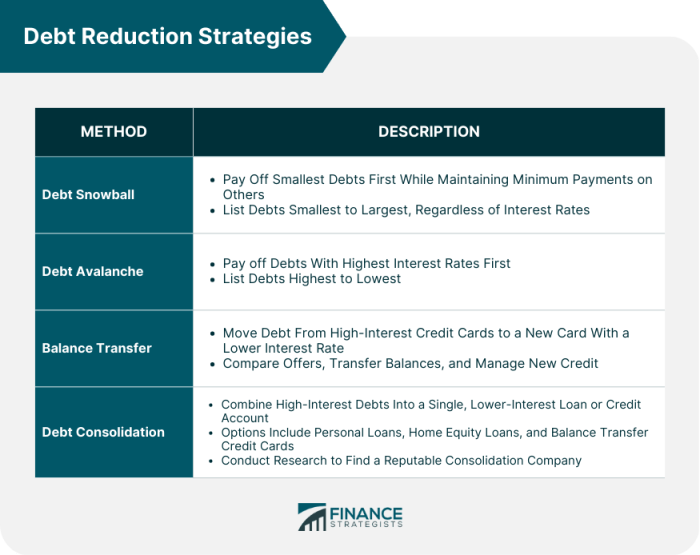
- Debt Snowball Method: This strategy involves paying off the smallest debts first while making minimum payments on larger debts. Once the smallest debt is paid off, the amount that was being paid towards it is then rolled over to the next smallest debt, creating a snowball effect.
- Debt Avalanche Method: With this approach, individuals focus on paying off debts with the highest interest rates first. By tackling high-interest debts, they can save money in the long run and accelerate the debt repayment process.
- Debt Consolidation: Consolidating multiple debts into a single loan with a lower interest rate can make repayment more manageable. It simplifies the repayment process and potentially reduces the total amount paid in interest.
Importance of Having a Debt Reduction Plan
Having a debt reduction plan not only helps individuals stay organized and focused on their financial goals but also allows them to save money on interest payments. It provides a roadmap for becoming debt-free and achieving financial freedom.
Comparing Different Debt Reduction Methods
- Effectiveness: The debt snowball method is effective for individuals who need motivation from quick wins, while the debt avalanche method may be more beneficial for those looking to save on interest costs.
- Suitability: Debt consolidation is suitable for individuals with multiple high-interest debts who want to simplify their repayment process, whereas the debt snowball and debt avalanche methods are better for those who prefer a more structured approach.
- Long-Term Impact: Each debt reduction method has its own long-term impact on an individual’s financial situation. It’s important to consider factors such as total interest paid, time to debt freedom, and overall financial goals.
DEBT REDUCTION
Debt reduction is the process of decreasing or eliminating the amount of debt that an individual owes to creditors. This can involve creating a repayment plan, negotiating with creditors, or seeking assistance from debt relief programs.
Common Types of Debts
- Credit card debt: Accumulated by using credit cards for purchases and not paying off the full balance each month.
- Student loans: Money borrowed to fund higher education expenses that need to be repaid with interest.
- Mortgage loans: Loans taken out to purchase a home, with monthly payments required to pay off the loan amount.
- Car loans: Loans used to finance the purchase of a vehicle, with interest accruing over the loan term.
Importance of Debt Reduction
Debt reduction is crucial for financial stability as it can lead to a variety of benefits, including:
- Lower financial stress: Reducing debt can alleviate the burden of monthly payments and interest charges, leading to less stress and anxiety.
- Improved credit score: Paying off debts can positively impact your credit score, making it easier to qualify for loans and lower interest rates in the future.
- Increased savings: By reducing debt, individuals can free up more money to save for emergencies, retirement, or other financial goals.
- Financial freedom: Eliminating debt allows individuals to have more control over their finances and make decisions based on their priorities rather than debt obligations.
In conclusion, Debt Reduction Strategies 2024 presents a roadmap to financial freedom through effective debt management techniques. By implementing the right strategies and staying committed to reducing debt, individuals can pave the way for a stable and prosperous future.
Common Queries
What are the top debt reduction strategies for 2024?
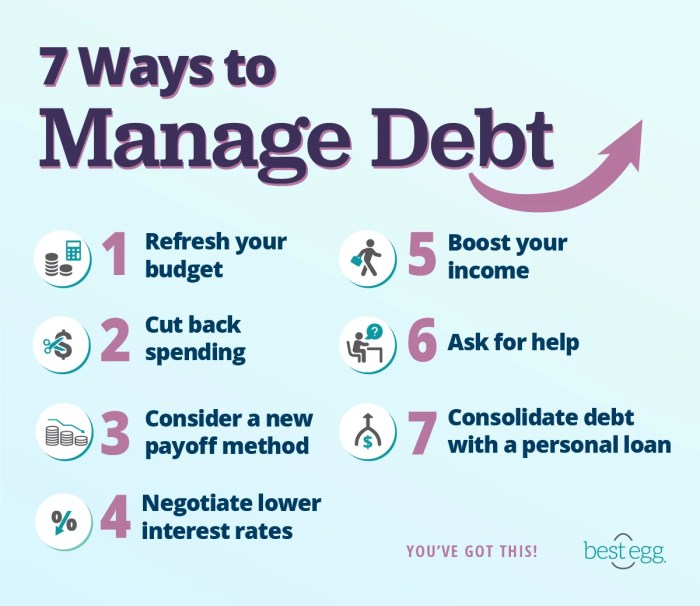
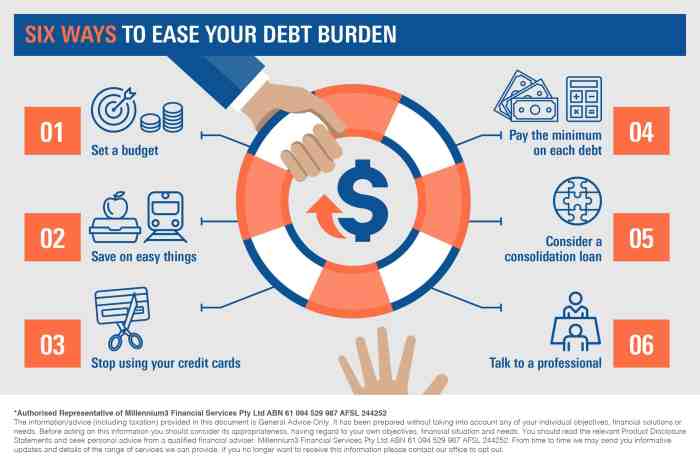
The top strategies include prioritizing high-interest debts, creating a budget, negotiating with creditors, and considering debt consolidation.
Why is having a debt reduction plan important?
Having a plan helps individuals stay focused, track progress, and make informed financial decisions to reduce debt effectively.
What types of debts do individuals commonly need to reduce?
Common types of debts include credit card debt, student loans, medical bills, and personal loans.
How does debt reduction contribute to financial stability?
Reducing debt lowers financial stress, improves credit scores, increases savings potential, and opens up opportunities for investments.