With Debt Reduction for Individuals at the forefront, this paragraph opens a window to an amazing start and intrigue, inviting readers to embark on a storytelling journey filled with unexpected twists and insights.
Understanding the ins and outs of debt reduction is crucial for anyone looking to improve their financial health and secure a stable future. From effective strategies to setting realistic goals, this guide covers it all.
DEBT REDUCTION
Debt reduction is the process of lowering the amount of debt owed by an individual. This can involve paying off debts in full or negotiating with creditors to lower the total amount owed.
Importance of Debt Reduction for Individuals
Reducing debt is crucial for individuals as it helps improve financial stability, reduces stress, and increases overall savings. By reducing debt, individuals can also improve their credit score and financial health.
Types of Debts Individuals Need to Reduce
- Credit card debt: High-interest rates can quickly accumulate, making it essential to reduce credit card debt.
- Student loans: Many individuals carry student loan debt, which can impact long-term financial goals.
- Mortgage loans: Lowering mortgage debt can lead to significant savings in interest payments over time.
Strategies for Effective Debt Reduction
- Create a budget: Track expenses and allocate funds towards debt repayment.
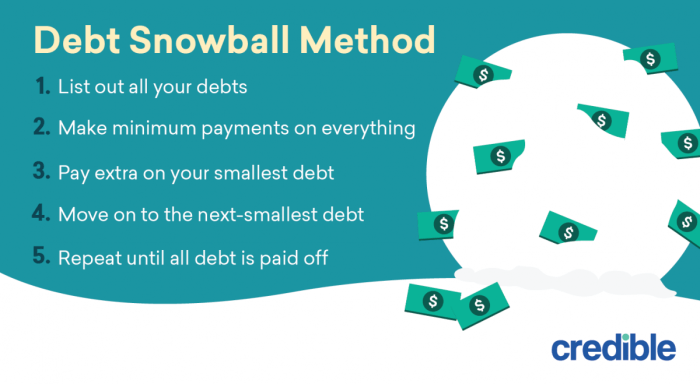
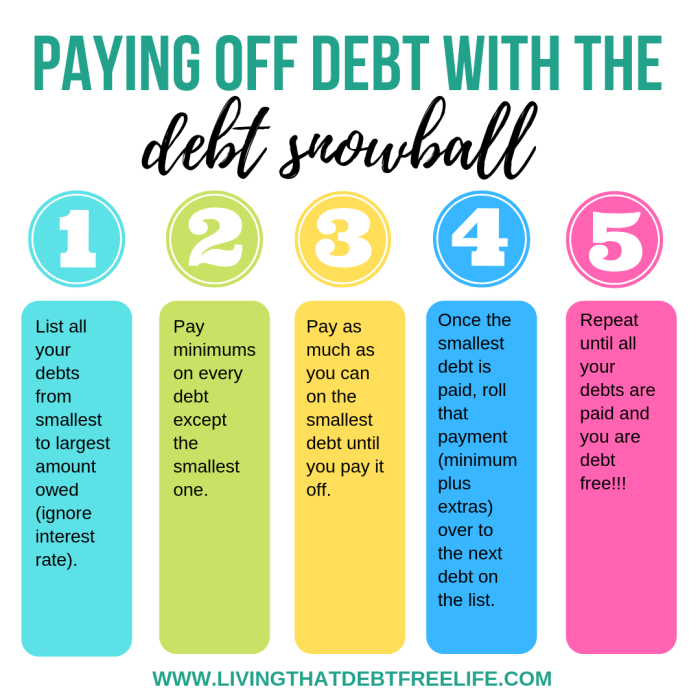
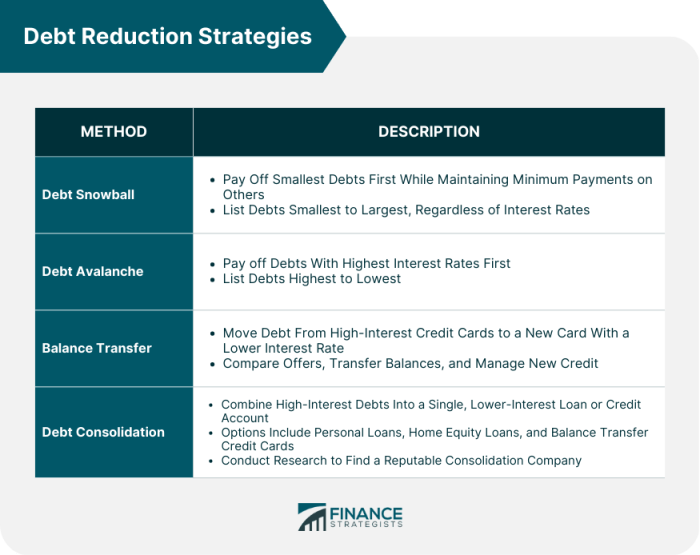
- Snowball method: Pay off smaller debts first to gain momentum and motivation.
- Debt consolidation: Combine multiple debts into one to simplify payments and potentially reduce interest rates.
- Negotiate with creditors: Reach out to creditors to discuss payment plans or settlements.
UNDERSTANDING DEBT

Debt is a financial obligation that an individual owes to another party, typically involving the borrowing of money or assets with the agreement to repay the principal amount along with interest over a specified period.
There are several common reasons why individuals accumulate debt:
Reasons for Accumulating Debt
- Emergency Expenses: Unexpected medical bills, car repairs, or home maintenance can force individuals to take on debt to cover these expenses.
- Lifestyle Choices: Overspending on non-essential items such as luxury goods, vacations, or dining out can lead to credit card debt.
- Unemployment or Income Reduction: Loss of a job or a decrease in income can make it challenging to meet financial obligations, leading to borrowing to make ends meet.
- Lack of Financial Literacy: Without a solid understanding of budgeting, saving, and managing money, individuals may easily fall into debt traps.
Debt can have a significant impact on personal finances and well-being:
Impact of Debt
- Financial Stress: Constant worry about making payments on time and the burden of high-interest rates can lead to anxiety and stress.
- Limitations on Future Opportunities: High levels of debt can hinder the ability to save for retirement, purchase a home, or pursue further education.
- Credit Score Damage: Late payments or defaulting on debt can negatively impact one’s credit score, making it harder to access credit in the future.
It is essential to differentiate between good debt and bad debt:
Good Debt vs. Bad Debt
- Good Debt: This type of debt is used to finance assets that are likely to increase in value over time, such as a mortgage for a home or a student loan for education.
- Bad Debt: Bad debt typically involves borrowing to finance depreciating assets or non-essential items, such as credit card debt for luxury purchases or high-interest payday loans.
SETTING FINANCIAL GOALS
Setting financial goals plays a crucial role in debt reduction as it provides individuals with a clear roadmap to follow, helping them stay focused and motivated throughout the process. By setting specific goals, individuals can track their progress, make informed financial decisions, and ultimately work towards becoming debt-free.
Prioritizing Debts Based on Interest Rates
When prioritizing debts based on interest rates, individuals should focus on paying off high-interest debts first to minimize the amount of interest paid over time. By tackling debts with higher interest rates, such as credit card balances, individuals can save money in the long run and accelerate their debt repayment journey.
- Start by listing all debts and their corresponding interest rates.
- Allocate extra funds towards paying off high-interest debts while making minimum payments on other debts.
- Consider balance transfer options or debt consolidation to lower interest rates and simplify repayment.
Creating a Realistic Debt Reduction Plan
To create a realistic debt reduction plan, individuals should assess their current financial situation, set achievable goals, and establish a budget that aligns with their repayment strategy. It’s essential to be honest about income, expenses, and debt obligations to develop a plan that is sustainable and effective.
Tip: Utilize debt repayment strategies such as the snowball or avalanche method to systematically pay off debts and stay motivated.
- Set specific and measurable goals, such as paying off a certain amount of debt within a timeframe.
- Track expenses, cut unnecessary spending, and allocate any extra income towards debt repayment.
- Regularly review and adjust the debt reduction plan as financial circumstances change.
Examples of Short-term and Long-term Financial Goals
Short-term financial goals related to debt reduction may include paying off a credit card balance within six months or reducing overall debt by a specific percentage by the end of the year. On the other hand, long-term financial goals could involve becoming debt-free within five years or saving for a major purchase without accumulating additional debt.
- Short-term goal example: Pay off $2,000 in credit card debt within the next three months.
- Long-term goal example: Eliminate all student loans and car loans within the next seven years.
- Consistently monitor progress towards financial goals and celebrate milestones achieved along the way.
BUDGETING AND EXPENSE TRACKING
Budgeting is a crucial aspect of debt reduction as it helps individuals gain control over their finances, prioritize debt payments, and track progress towards financial goals. By creating a budget, individuals can allocate their income effectively, identify unnecessary expenses, and ensure that they have enough funds to pay off debts.
Strategies for Creating a Budget
- Calculate total monthly income: Start by calculating the total amount of money you earn each month from all sources.
- List all expenses: Make a comprehensive list of all your monthly expenses, including bills, groceries, transportation, and entertainment.
- Differentiate between needs and wants: Distinguish between essential expenses (needs) and non-essential expenses (wants) to prioritize spending.
- Set debt repayment goals: Allocate a specific amount towards debt repayment each month to accelerate the payoff process.
- Track your budget regularly: Monitor your budget regularly to ensure that you are staying within your set limits and adjust as needed.
Importance of Expense Tracking
Tracking expenses is essential for identifying areas where individuals can cut costs and save money to put towards debt repayment. By monitoring spending habits, individuals can pinpoint unnecessary expenses, avoid impulse purchases, and make informed decisions about where to allocate their funds effectively.
Tools and Apps for Budgeting and Expense Tracking
- Mint: A popular budgeting app that helps track spending, set financial goals, and create personalized budgets.
- You Need a Budget (YNAB): Focuses on giving every dollar a job, providing a proactive approach to budgeting and expense tracking.
- PocketGuard: Automatically categorizes expenses, tracks bills, and helps optimize spending to reach financial goals.
- Personal Capital: Offers tools for budgeting, investment tracking, and retirement planning, providing a comprehensive view of financial health.
In conclusion, mastering debt reduction not only alleviates financial burdens but also paves the way for a brighter financial future. By implementing the right strategies and staying committed to your goals, you can achieve true financial freedom and peace of mind.
Key Questions Answered
What are some common types of debts individuals need to reduce?
Common types of debts include credit card debt, student loans, mortgages, and personal loans.
How can setting financial goals help with debt reduction?
Setting financial goals provides a roadmap for prioritizing debts, creating a plan, and staying motivated to reduce debt effectively.
What is the difference between good debt and bad debt?
Good debt is used to finance assets that increase in value over time, like a home mortgage. Bad debt, on the other hand, is used for non-appreciating assets or consumables, like credit card debt for unnecessary purchases.