Embark on a journey into the realm of debt reduction for small businesses, where we unravel the significance of financial health, explore common debt types, and unveil effective strategies for reducing debt burdens.
Importance of Debt Reduction for Small Business
Debt reduction is a critical aspect of maintaining the financial health of small businesses. By reducing debt, businesses can improve cash flow, reduce financial stress, and position themselves for growth and sustainability.
Negative Impact of Excessive Debt
- Increased Interest Costs: High levels of debt lead to higher interest payments, eating into profits and hindering business growth.
- Risk of Bankruptcy: Excessive debt can push a small business towards insolvency, leading to bankruptcy and closure.
- Limited Access to Capital: Heavy debt burden can make it challenging to secure additional funding for business expansion or operations.
Benefits of Debt Reduction Strategies
- Improved Cash Flow: By reducing debt, businesses can free up cash for investments, emergencies, and day-to-day operations.
- Enhanced Creditworthiness: Lower debt levels improve the business’s credit profile, making it easier to access financing at favorable terms.
- Increased Profitability: Debt reduction can lead to lower interest expenses, boosting profitability and overall financial performance.
Common Types of Business Debt
Businesses often accumulate various types of debt to fund their operations, expansion, or other financial needs. It is essential for small business owners to understand the different categories of debt they may encounter and how each type can impact their financial health.
Short-term Debt vs. Long-term Debt
Short-term debt typically refers to loans or obligations that need to be repaid within a year. This type of debt is commonly used to finance day-to-day operations, manage cash flow fluctuations, or cover unexpected expenses. On the other hand, long-term debt involves obligations that extend beyond a year, such as term loans or mortgages. Businesses often use long-term debt to fund significant investments like equipment purchases, real estate acquisitions, or business expansions.
- Short-term Debt: Examples include credit card balances, lines of credit, and trade payables. While short-term debt can provide flexibility, high-interest rates and quick repayment requirements can strain a business’s cash flow.
- Long-term Debt: Common forms include traditional bank loans, SBA loans, and equipment financing. Long-term debt typically offers lower interest rates and longer repayment periods, making it suitable for large capital expenditures. However, businesses must ensure they can meet repayment obligations over an extended period to avoid financial strain.
Impact on Financial Stability
The types of debt a business carries can significantly impact its financial stability and overall health. High levels of short-term debt may indicate liquidity issues and an inability to cover immediate obligations, leading to cash flow problems and potential insolvency. On the other hand, excessive long-term debt burdens can strain profitability and hinder growth opportunities, as significant portions of revenue may be allocated to debt servicing instead of reinvestment or expansion.
- Financial Flexibility: Balancing short-term and long-term debt can help businesses maintain financial flexibility and manage financial risks effectively. By understanding the implications of each type of debt and their respective terms, small business owners can make informed decisions to optimize their capital structure and ensure long-term sustainability.
Strategies for Debt Reduction
Effective strategies for small businesses to reduce their debt are crucial for financial stability and growth. Let’s explore some key approaches that can help alleviate the burden of debt and pave the way for a healthier financial future.
Debt Consolidation
Debt consolidation involves combining multiple debts into a single loan with a lower interest rate. This can streamline payments and make it easier to manage debt. Small businesses can consider consolidating high-interest loans or credit card debt to reduce overall interest costs.
Refinancing
Refinancing entails replacing an existing loan with a new loan that has better terms, such as a lower interest rate or longer repayment period. By refinancing business loans, small businesses can potentially lower monthly payments and save on interest over time.
Debt Settlement
Debt settlement involves negotiating with creditors to settle debts for less than the full amount owed. While this can lead to a significant reduction in debt, it may also have a negative impact on credit scores. Small businesses should carefully consider the consequences before pursuing debt settlement as a strategy.
Negotiating with Creditors
When facing financial challenges, small businesses can proactively negotiate with creditors to lower interest rates, reduce fees, or establish more favorable repayment terms. Open and honest communication with creditors can help create mutually beneficial solutions and alleviate the burden of debt.
Financial Planning for Debt Reduction
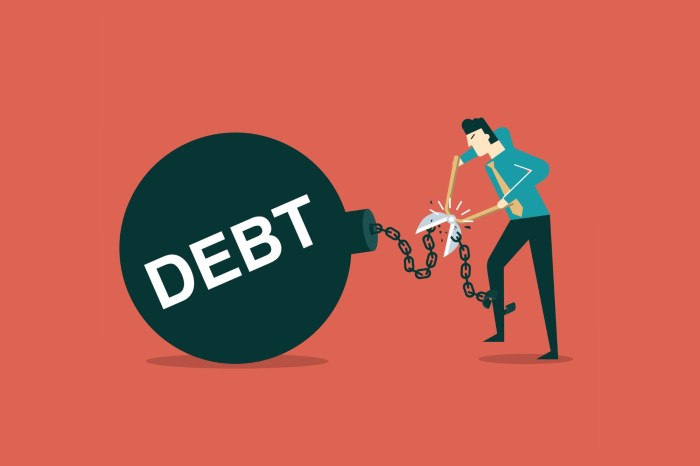
Financial planning plays a crucial role in successfully reducing business debt. By creating a strategic plan and sticking to it, small businesses can effectively manage and minimize their debt burden.
Importance of Creating a Budget
One of the key aspects of financial planning for debt reduction is creating a budget. A budget helps businesses track their income and expenses, identify areas where costs can be cut, and allocate funds towards debt repayment.
Sticking to the Budget
It is essential for small businesses to stick to the budget they have created for debt reduction. This requires discipline and commitment to avoid unnecessary expenses and ensure that funds are allocated towards paying off debts in a timely manner.
Prioritizing Debt Payments
Within financial planning, small businesses should prioritize their debt payments based on interest rates, payment terms, and the impact on their credit score. By focusing on high-interest debts first and then moving on to others, businesses can save money on interest payments in the long run.
In conclusion, mastering the art of debt reduction can pave the way for small businesses to achieve financial stability and growth, ensuring a brighter future ahead.
Query Resolution
How does reducing debt benefit small businesses?
Reducing debt enhances financial health, improves creditworthiness, and frees up resources for growth and investment.
What are the common types of business debt?
Common types include loans, credit card debt, lines of credit, and equipment financing.
How can small businesses prioritize debt payments?
By creating a budget, identifying high-interest debts, and allocating extra funds towards those debts while making minimum payments on others.