Starting with the Debt Snowball Method for Debt Reduction, this paragraph aims to draw in readers with a compelling overview of this effective strategy.
Explaining the concept, benefits, and common mistakes will provide a clear understanding of how this method works in practice.
Understanding the Debt Snowball Method
The Debt Snowball Method is a debt reduction strategy that involves paying off debts in order from smallest to largest, regardless of interest rates. This method focuses on building momentum by starting with small victories and gaining motivation to tackle larger debts.
Key Principles of the Debt Snowball Method
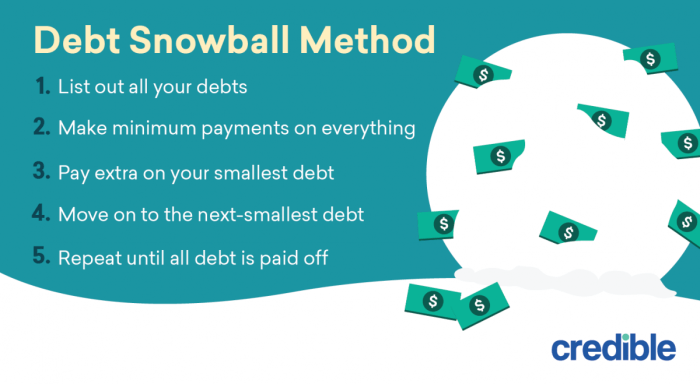
- Start by listing all debts from smallest to largest balance.
- Make minimum payments on all debts except the smallest one.
- Allocate extra funds to pay off the smallest debt as quickly as possible.
- Once the smallest debt is paid off, roll the amount you were paying on that debt into the next smallest debt.
- Repeat this process until all debts are paid off.
How the Debt Snowball Method Works in Reducing Debt
The Debt Snowball Method works by focusing on one debt at a time, allowing you to see progress and stay motivated. By paying off smaller debts first, you free up more money to tackle larger debts later on. This method not only helps in reducing the total amount of debt but also provides a psychological boost as you see debts being eliminated one by one.
Steps to Implement the Debt Snowball Method
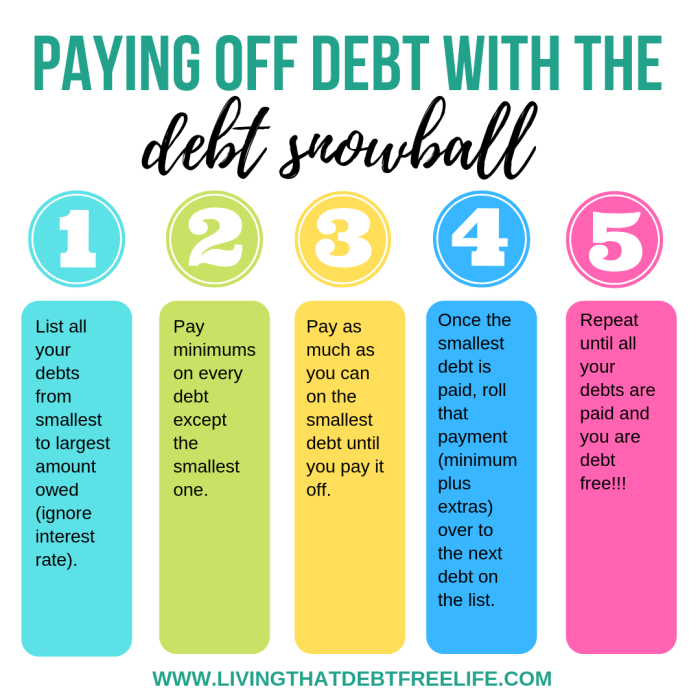
When starting the Debt Snowball Method, it is essential to follow a step-by-step process to effectively reduce your debts and achieve financial freedom. By prioritizing your debts and setting up a budget, you can successfully implement this method.
1. List Your Debts
- Make a list of all your debts, including credit card balances, loans, and any other outstanding payments.
- Organize the debts from smallest to largest balance, regardless of interest rate.
2. Pay Minimum Payments
- Continue making minimum payments on all your debts to avoid penalties and maintain a good credit score.
- Allocate any additional funds towards the smallest debt on your list.
3. Snowball Payments
- Once the smallest debt is paid off, roll over the amount you were paying towards that debt to the next smallest debt on your list.
- Repeat this process until all debts are paid off, increasing the amount you pay towards each debt as you progress.
4. Set Up a Budget
- Create a budget that Artikels your monthly income and expenses, including debt payments.
- Identify areas where you can cut back on expenses to free up more money for debt repayment.
Benefits of Using the Debt Snowball Method
The Debt Snowball Method offers several advantages over other debt reduction strategies. One of the key benefits is the psychological motivation it provides throughout the debt repayment journey. By tackling smaller debts first and then moving on to larger ones, individuals can experience a sense of accomplishment and progress, which can keep them motivated to continue paying off their debts.
Motivation and Progress Tracking
- The Debt Snowball Method allows individuals to see tangible results quickly as they eliminate smaller debts first. This visible progress can boost morale and encourage them to stay on track with their debt repayment plan.
- As each debt is paid off, the freed-up payment amount can be rolled into the next debt, creating a snowball effect that accelerates the debt repayment process.
- Tracking the elimination of debts in order of size provides a clear roadmap towards becoming debt-free, making the journey feel more manageable and achievable.
Financial Freedom
- By systematically paying off debts using the Debt Snowball Method, individuals can gradually reduce their financial obligations and free up more of their income for savings, investments, and other financial goals.
- Eliminating debt can lead to improved credit scores, lower interest payments, and overall financial stability, creating a solid foundation for long-term financial freedom.
- Once all debts are paid off, individuals have the opportunity to redirect the money previously used for debt payments towards building wealth, saving for retirement, or pursuing other financial aspirations.
Common Mistakes to Avoid
Avoiding these common mistakes can help you successfully implement the Debt Snowball Method and achieve your debt reduction goals. Here are some tips to stay on track and avoid pitfalls:
Ignoring High-Interest Debts
One common mistake is neglecting high-interest debts in favor of smaller balances. While it may be satisfying to pay off smaller debts first, focusing on high-interest debts can save you more money in the long run. Make sure to prioritize debts with the highest interest rates to minimize the overall cost of your debt.
Not Creating a Realistic Budget
Another mistake is not creating a realistic budget to support your debt repayment plan. Without a clear understanding of your income and expenses, you may struggle to make consistent payments towards your debts. Take the time to create a budget that allows you to allocate enough funds towards debt repayment while covering essential expenses.
Stopping After Paying Off One Debt
Some people make the mistake of halting their debt repayment journey after paying off one debt. However, to fully benefit from the Debt Snowball Method, you should continue allocating the freed-up funds towards the next debt on your list. Keep the momentum going to accelerate your debt payoff process.
Not Celebrating Small Wins
It’s essential to celebrate small victories along the way to stay motivated. Recognizing and celebrating each debt paid off, no matter how small, can boost your morale and keep you on track towards your larger financial goals. Acknowledge your progress and use it as fuel to continue your debt reduction journey.
Comparison with Other Debt Reduction Strategies
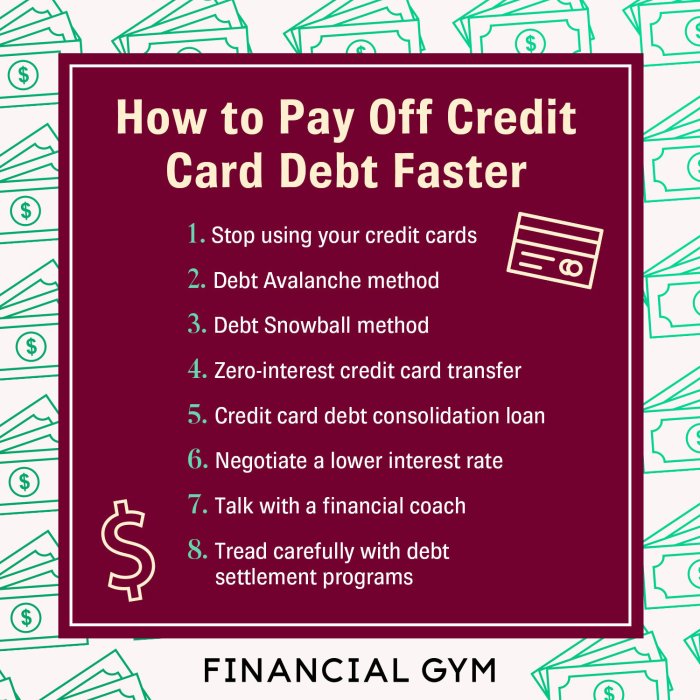
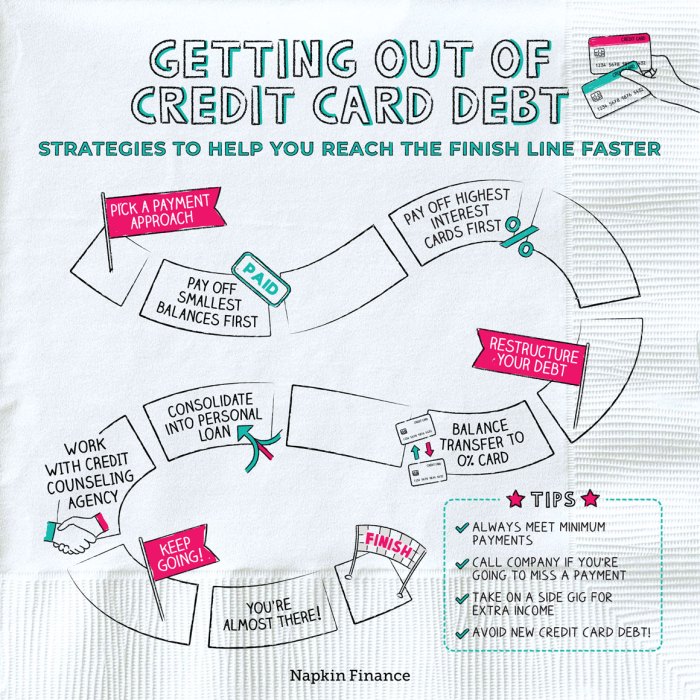
When it comes to reducing debt, there are various strategies to choose from. One popular method that is often compared to the Debt Snowball Method is the Debt Avalanche method. Both strategies aim to help individuals pay off their debts efficiently, but they have different approaches and outcomes.
Debt Snowball Method vs. Debt Avalanche Method
- The Debt Snowball Method focuses on paying off debts from smallest to largest regardless of interest rates. This method provides quick wins and motivation as smaller debts are paid off first.
- On the other hand, the Debt Avalanche Method prioritizes paying off debts with the highest interest rates first. By tackling high-interest debts first, this method can potentially save more money on interest payments in the long run.
Suitability of the Debt Snowball Method
- The Debt Snowball Method may be more suitable for individuals who are motivated by small victories and quick progress. It can help build momentum and keep individuals motivated to stick to their debt repayment plan.
- If someone has multiple debts with varying interest rates but prefers a structured approach that provides a sense of accomplishment, the Debt Snowball Method could be a better fit.
In conclusion, the Debt Snowball Method stands out as a powerful tool for those looking to reduce debt systematically and attain financial independence in the long run.
Questions and Answers
How does the Debt Snowball Method differ from the Debt Avalanche method?
The Debt Snowball Method focuses on paying off debts from smallest to largest regardless of interest rates, while the Debt Avalanche method prioritizes debts with the highest interest rates first.
Can the Debt Snowball Method work for large debts?
Yes, the Debt Snowball Method can be effective for large debts by providing a systematic approach to tackling them one by one.
Is it necessary to have a budget when using the Debt Snowball Method?
Having a budget is essential when following the Debt Snowball Method as it helps in managing expenses and allocating funds towards debt repayment.