Consolidating Debt for Better Rates sets the stage for this enthralling narrative, offering readers a glimpse into a story that is rich in detail with casual formal language style and brimming with originality from the outset.
Debt consolidation is a powerful financial tool that can help individuals manage their debts more effectively, ultimately leading to better rates and improved financial stability. This guide will delve into the various aspects of consolidating debt, exploring different methods, factors to consider, and debt reduction strategies.
Understanding Debt Consolidation

Debt consolidation is a financial strategy where multiple debts are combined into a single loan with a lower interest rate. This allows individuals to manage their debt more effectively and potentially save money on interest payments.
Benefits of Debt Consolidation
- Lower Interest Rates: By consolidating high-interest debts into one loan with a lower interest rate, individuals can save money over time.
- Simplified Repayment: Managing one monthly payment instead of multiple payments can make repayment more manageable and less stressful.
- Improved Credit Score: Making timely payments on a consolidated loan can positively impact an individual’s credit score over time.
Types of Debt Consolidation
- Debt Consolidation Loans: This involves taking out a new loan to pay off existing debts, consolidating them into one monthly payment.
- Balance Transfer Credit Cards: Individuals can transfer high-interest credit card balances to a card with a lower interest rate, often with an introductory period of 0% APR.
- Home Equity Loans: Homeowners can use the equity in their homes to consolidate debt, often with lower interest rates than other options.
Methods of Consolidating Debt
Consolidating debt can be a smart move to manage multiple debts more effectively. There are several methods available to consolidate debt, each with its own set of pros and cons. It’s important to understand these options and choose the most suitable one based on your individual financial situation.
Balance Transfer
- Pros:
- Allows you to transfer high-interest credit card debt to a new card with a lower interest rate
- May offer an introductory 0% APR period for a certain period
- Cons:
- Balance transfer fees may apply
- Introductory rates may increase after the promotional period
Debt Consolidation Loans
- Pros:
- Combines multiple debts into one monthly payment
- May offer lower interest rates compared to credit cards
- Cons:
- Requires a good credit score to qualify for a favorable loan
- Longer repayment terms may result in paying more interest over time
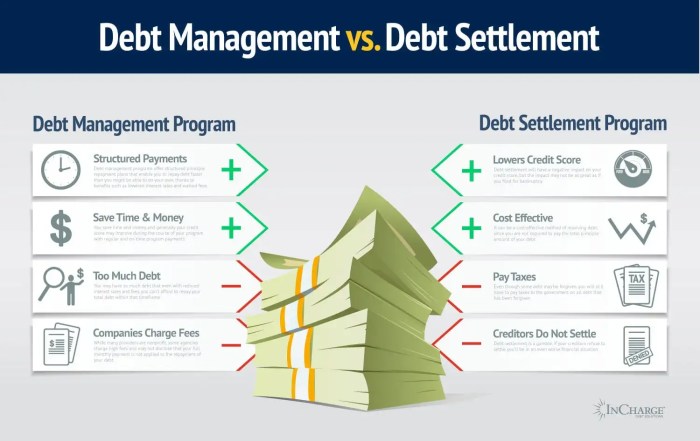
Debt Management Plans
- Pros:
- Work with a credit counseling agency to create a repayment plan
- Consolidate debts without taking out a new loan
- Cons:
- May involve paying fees to the credit counseling agency
- Could potentially impact your credit score
Factors to Consider Before Consolidating Debt
Before opting for debt consolidation, individuals should carefully consider a few key factors to ensure it is the right financial decision for their specific situation.
Impact of Credit Score on Consolidating Debt for Better Rates
When consolidating debt, your credit score plays a crucial role in determining the interest rates you may qualify for. A higher credit score typically results in better rates, as lenders see you as a lower risk borrower. On the other hand, if your credit score is low, you may end up with higher interest rates, which could potentially outweigh the benefits of consolidating your debt.
It’s important to assess your credit score and understand how it will impact the overall cost of consolidating your debt.
Assessing if Debt Consolidation is the Right Choice
Debt consolidation can be a helpful tool for managing multiple debts, but it’s not always the best solution for everyone. Before proceeding, take a close look at your financial situation. Consider factors such as the total amount of debt, interest rates, repayment terms, and any fees associated with the consolidation process. Compare these aspects with your current monthly payments and evaluate if consolidating your debt will actually save you money in the long run.
It’s essential to have a clear understanding of your financial goals and whether debt consolidation aligns with them before making a decision.
Debt Reduction Strategies
When consolidating debt, it is crucial to have a debt reduction plan in place to ensure long-term financial stability. While debt consolidation can help simplify payments and lower interest rates, having a strategy to actively reduce debt is essential to achieve financial freedom.
Effective Strategies for Reducing Debt
Implementing effective debt reduction strategies can help individuals pay off their debts efficiently and regain control of their finances. Some key strategies include:
- Creating a budget: Establishing a budget can help track expenses and identify areas where spending can be reduced to allocate more funds towards debt repayment.
- Increasing payments: Making higher monthly payments or additional payments whenever possible can accelerate the debt repayment process and save on interest costs.
- Debt snowball method: This strategy involves paying off the smallest debt first while making minimum payments on larger debts, then moving on to the next smallest debt once the first one is paid off.
- Debt avalanche method: With this approach, debts are prioritized based on interest rates, with the highest interest debt being targeted first while making minimum payments on other debts.
Successful Debt Reduction Stories and Key Takeaways
Many individuals have successfully reduced and eliminated their debts by following structured debt reduction plans. One such example is Sarah, who managed to pay off $20,000 in credit card debt within two years by following a strict budget and increasing her monthly payments. The key takeaways from Sarah’s story include the importance of discipline, consistency, and determination in sticking to a debt reduction plan.
In conclusion, consolidating debt for better rates is not just about managing debts; it’s about taking control of your financial future. By understanding the intricacies of debt consolidation and implementing effective strategies, individuals can pave the way towards a debt-free life with improved financial well-being.
FAQ Overview
What is the best method for consolidating debt?
The best method for consolidating debt depends on individual financial situations. Some may benefit more from balance transfers, while others may find debt consolidation loans more suitable.
Will consolidating debt affect my credit score?
Consolidating debt can have a temporary impact on your credit score, but in the long run, it can actually improve your score by helping you manage your debts more effectively.
How long does it take to see results from debt consolidation?
The time it takes to see results from debt consolidation varies for each individual. Some may experience immediate relief, while others may take longer to see significant progress depending on their debt amount and repayment habits.